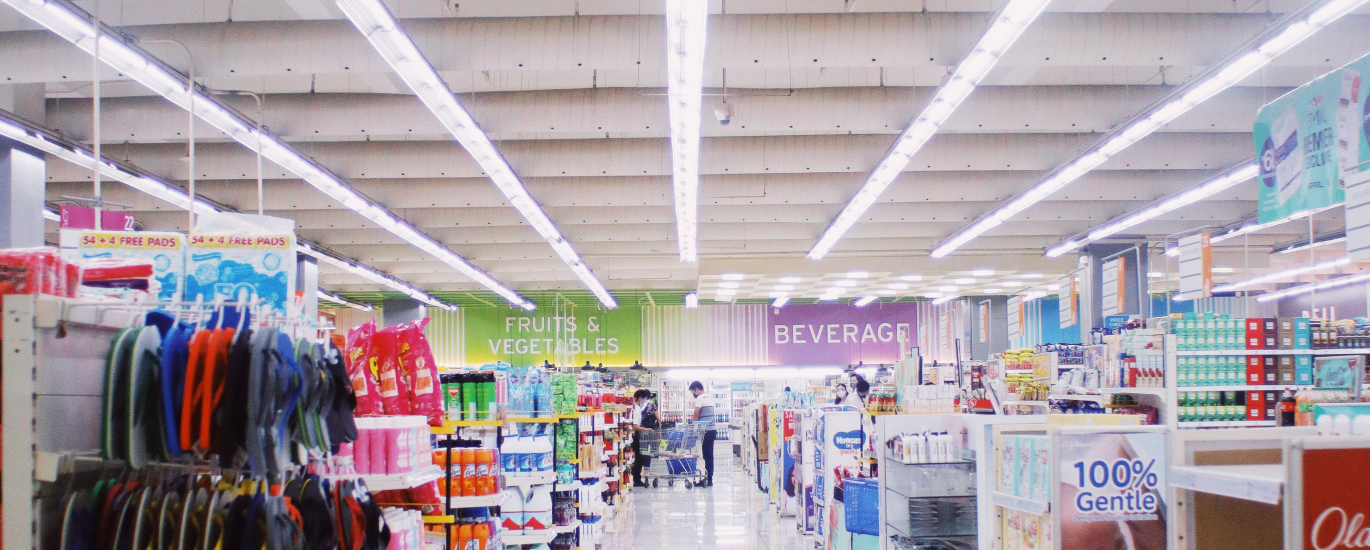
From Shelf Visibility to Sales Growth: How Effective Product Activation and Merchandising Drive FMCG Performance
For FMCG brands, getting products onto retail shelves is only the beginning. The bigger challenge is making sure shoppers notice the products, understand their value, engage with the brand and ultimately make a purchase.
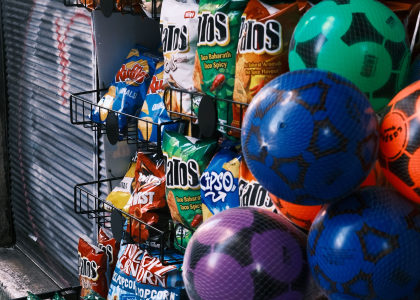
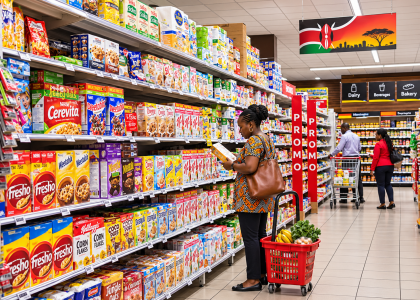
A product may be available in a supermarket, minimarket, duka or kiosk, but availability does not automatically translate into sales. It may be poorly positioned, competing with several similar products, unfamiliar to shoppers or lacking the promotional support needed to encourage trial.
This is where effective product activation and merchandising become important.
Merchandising focuses on how products are presented, positioned and maintained at the point of sale. Product activation goes further by creating opportunities for consumers to interact with brands through demonstrations, sampling, promotions, brand ambassadors and other shopper engagement activities.
When these activities work together, FMCG brands can move beyond simply occupying shelf space to creating meaningful retail experiences that support product awareness, trial and purchase.
Understanding the Relationship Between Product Activation and Merchandising
Product activation and merchandising are closely connected, but they serve different purposes.
Merchandising ensures that products are visible, accessible, available and presented according to agreed brand standards. It helps shoppers find products and makes the retail environment more favourable to purchase decisions.
Product activation creates direct engagement between a brand and its target consumers. It uses demonstrations, sampling, promotional campaigns, brand ambassadors and interactive experiences to communicate product benefits and encourage shoppers to consider or try the product.
Consider a new juice brand entering the Kenyan market.
Merchandising ensures that the juice is properly displayed in supermarkets and minimarkets, with clear product arrangement and adequate stock availability. Product activation takes the brand closer to shoppers through sampling, product demonstrations and promotional offers.
The two activities complement each other. A shopper who tastes the juice during a promotion should be able to find it easily on the shelf and purchase it immediately.
Without effective merchandising, activation may generate interest that is difficult to convert into a purchase. Without activation, a new or unfamiliar product may remain on the shelf without attracting sufficient attention.
1. Create Strong Shelf Visibility That Attracts Shoppers
The first step in driving FMCG performance is ensuring that products stand out in the retail environment.
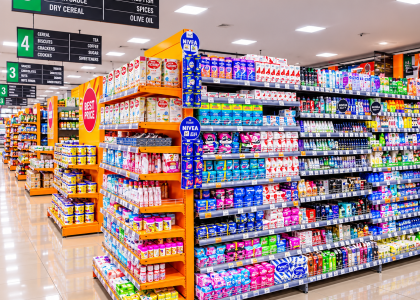
Shoppers are exposed to many competing brands, product variants, prices and promotional messages. A product that is difficult to locate or poorly displayed may be overlooked, even when it offers good value.
Effective merchandising helps brands improve their visibility through:
- Strategic shelf positioning, subject to retailer agreements.
- Clear and organised product arrangement.
- Consistent display of product variants and sizes.
- Appropriate use of point-of-sale materials.
- Clean, attractive and well-maintained displays.
- Monitoring product availability and replenishment needs.
For example, a household cleaning brand may have several product variants designed for different cleaning needs. Proper arrangement and clear product presentation help shoppers identify the options available and make informed choices.
However, shelf visibility should not be confused with guaranteed sales. A prominent display may attract attention, but pricing, product relevance, availability and consumer preferences still influence the final purchase decision.
2. Use Product Demonstrations to Show What the Product Can Do
Some products are easier to sell when consumers can see how they work.
Product demonstrations allow brands to communicate product benefits in a practical and engaging way. Rather than relying entirely on packaging or advertising, shoppers get an opportunity to understand the product through a direct demonstration.
This approach can be useful for:
- Household cleaning products.
- Kitchen appliances and selected consumer goods.
- Personal care products.
- Food preparation products.
- New products with unfamiliar features or applications.
For example, a cleaning products brand can demonstrate how a particular product is intended to be used and explain the surfaces or cleaning tasks for which it is suitable.
A demonstration should be relevant, accurate and easy to understand. Brand representatives should know the product, communicate its benefits clearly and avoid making claims that the manufacturer cannot substantiate.
The objective is not simply to entertain shoppers. It is to remove uncertainty, answer questions and help consumers understand why the product may be worth purchasing.
3. Turn Product Sampling into an Opportunity for Trial and Purchase
Sampling is one of the most direct ways to introduce consumers to products they may not have purchased before.
For food and beverage brands in particular, allowing shoppers to experience a product can reduce hesitation and encourage consideration.
Imagine a new yoghurt brand being introduced in a supermarket. Shoppers may recognise the category but have little knowledge of the new brand. A sampling activation gives them an opportunity to experience the product before deciding whether to buy it.
Effective sampling requires more than distributing free portions.
Brands should consider:
- Target audience: Are the people interacting with the activation likely to be interested in the product?
- Product presentation: Is the sampling area clean, organised and consistent with brand standards?
- Brand communication: Can the promoter explain the product’s features and benefits?
- Retail availability: Is the product available for purchase at the same outlet?
- Consumer feedback: What are shoppers saying about the product?
- Purchase response: Are consumers showing interest in buying after sampling?
Product sampling should also follow relevant food safety, hygiene and retailer requirements.
Most importantly, sampling should be connected to the point of sale. Giving consumers a positive product experience without ensuring that they can find and purchase the product afterwards wastes much of the activation opportunity.
4. Use Promotions to Give Shoppers a Reason to Buy
Promotions can encourage shoppers to consider a product, try a new brand or purchase additional quantities.
However, promotions should be designed around a clear commercial objective rather than simply reducing prices.
Common FMCG promotional approaches include:
- Introductory offers for newly launched products.
- Discounts on selected product variants.
- Bundled offers combining complementary products.
- Buy-more-save-more promotions.
- Gift-with-purchase campaigns.
- Retailer-supported promotional displays.
- Seasonal and occasion-based campaigns.
For example, a personal care brand may introduce a promotional bundle containing selected products at an attractive combined price. Merchandising ensures the bundle is clearly displayed, while brand ambassadors explain the offer and help shoppers understand its value.
The promotional message should be simple and consistent across the shelf, promotional materials and brand representatives.
Businesses should also assess the commercial implications of each promotion. A campaign that increases units sold but significantly reduces margins may not be sustainable. Promotional success should therefore consider sales volume, revenue, margins, stock movement and repeat purchases where measurable.
5. Deploy Brand Ambassadors to Build Meaningful Shopper Engagement
Brand ambassadors play an important role in connecting products with consumers at the point of sale.
They represent the brand, communicate product information, answer questions and support promotional activities.
In supermarkets, shopping centres, retail stores, trade events and selected public spaces, trained brand ambassadors can help create direct interactions that ordinary shelf displays cannot provide.
Their responsibilities may include:
- Introducing shoppers to the brand.
- Explaining product features and benefits.
- Supporting product demonstrations and sampling.
- Communicating promotional offers.
- Encouraging shoppers to explore product options.
- Gathering consumer feedback.
- Directing interested shoppers to product displays.
- Recording relevant activation results.
The quality of engagement matters more than simply having people wearing branded uniforms.
A brand ambassador who cannot explain the product, answer basic questions or communicate the promotion clearly may weaken the brand experience.
This is why proper briefing, product knowledge, communication skills and field supervision are essential.
6. Strengthen Point-of-Sale Activation
Point-of-sale activation brings merchandising and consumer engagement together within the retail environment.
It focuses on creating opportunities for shoppers to notice, understand and purchase products where buying decisions are made.
Depending on the product category and retail environment, point-of-sale activation may involve:
- Branded display stands.
- Promotional booths.
- Product demonstration areas.
- Sampling stations.
- Shelf talkers and promotional signage.
- Brand ambassadors.
- Special product displays.
- Retailer-approved promotional spaces.
The effectiveness of these activities depends on how well they are integrated into the shopping environment.
For example, a beverage activation should not be treated as a standalone promotional event. The product should be available nearby, the offer should be clear, and the display should make it easy for interested shoppers to complete a purchase.
Retailer permission, store guidelines and the available selling space must also be considered when planning point-of-sale activities.
7. Match Activation Strategies to the Right Retail Channels
Not every activation approach works in every retail environment.
Kenya’s FMCG market includes organised retail chains, independent minimarkets, wholesalers, dukas, kiosks and other retail outlets. Each has different customer interactions, space limitations and operational requirements.
Modern trade
Supermarkets and organised retail chains may offer opportunities for structured sampling campaigns, branded promotional stands, product demonstrations and coordinated in-store promotions.
However, activations must comply with retailer requirements, supplier arrangements and approved promotional spaces.
General trade
Independent shops, minimarkets and dukas often operate with more limited display space. Product visibility, retailer relationships, appropriate promotional materials and practical consumer engagement are important considerations.
An activation that requires a large promotional stand may not be suitable for a small neighbourhood shop.
Shopping centres and public events
These environments can provide opportunities to introduce products to broader audiences through roadshows, demonstrations, interactive brand experiences and sampling, subject to permissions and the relevance of the audience.
The important consideration is to match the activation format to the product, target consumer, outlet and commercial objective.
8. Measure Whether Activation and Merchandising Are Delivering Results
One of the biggest weaknesses in FMCG marketing is measuring activities without establishing their commercial value.
A business may report the number of outlets visited, samples distributed, promotional materials installed or consumers engaged. These figures are useful, but they do not independently establish whether the campaign achieved its objectives.
A stronger measurement framework should combine execution indicators with relevant commercial results.
| Performance area | What to measure |
|---|---|
| Retail coverage | Target outlets reached and outlet visits completed |
| Product visibility | Shelf positioning and display compliance |
| Product availability | Stock availability and stock-outs |
| Consumer engagement | Meaningful shopper interactions |
| Sampling | Samples distributed and consumer feedback |
| Promotions | Offer implementation and redemption where applicable |
| Brand ambassador performance | Attendance, product knowledge and execution quality |
| Sales performance | Units sold, revenue and changes in sales during the campaign |
| Reporting | Accuracy, completeness and timely submission of field reports |
Businesses should establish a baseline before launching a campaign wherever possible. This allows them to compare performance before, during and after activation.
It is also important to distinguish correlation from causation. A sales increase during a promotion does not automatically prove that the activation caused the increase. Distribution improvements, price changes, seasonality and competitor activity may also influence performance.
The best approach is to evaluate execution, shopper response and commercial indicators together.
9. Common Mistakes That Limit FMCG Activation Results
Even well-funded campaigns can underperform when execution is poorly coordinated.
Some common mistakes include:
Activating products that are not available: Generating consumer interest when the product is out of stock creates a missed sales opportunity.
Choosing the wrong audience: An activation may attract attention without reaching consumers who are relevant to the product.
Poorly trained brand ambassadors: Representatives who lack product knowledge or communication skills may struggle to convince shoppers.
Weak merchandising support: Promotional activity can generate interest, but poor shelf positioning makes it difficult for shoppers to locate the product.
Unclear promotional offers: Complicated offers can confuse shoppers and reduce participation.
Ignoring retail differences: Using the same activation format across supermarkets, kiosks and public events may produce inconsistent results.
Failing to measure performance: Without proper reporting, businesses may repeat campaigns that generate activity but deliver limited commercial value.
Successful activation requires coordination between marketing, sales, distribution, merchandising and the retail outlets involved.
Turning Retail Visibility into Commercial Performance with Brina Solutions
Your products should do more than occupy shelf space. They should attract attention, communicate value and create opportunities for shoppers to make a purchase.
At Brina Solutions, we help businesses strengthen their market presence through product activation, merchandising support, promotional execution and marketing solutions.
Our approach connects brand visibility with practical market engagement. Depending on the campaign objectives and retail environment, this can include:
- Retail merchandising and product display support.
- Product demonstrations and sampling.
- Brand ambassador deployment.
- In-store promotions and shopper engagement.
- Point-of-sale activation.
- Promotional campaigns and field execution support.
- Market observations and activation reporting.
We recognise that different products require different approaches. A beverage launch, a household cleaning campaign and a personal care promotion should not necessarily use the same activation strategy.
The starting point is understanding your product, target market, retail channels and commercial objectives, then developing an execution approach that connects consumer engagement with product availability and purchase opportunities.
Ready to move beyond shelf visibility and strengthen your FMCG market performance?
Talk to Brina Solutions about product activation, merchandising and practical market execution.