The Power of Retail Merchandising in Kenya: How Brands Can Increase Product Visibility and Sales
Retail merchandising is more than arranging products neatly on shelves. It is the strategic way brands present their products, attract shoppers’ attention and influence purchasing decisions at the point of sale.
In Kenya, consumers encounter hundreds of competing products in supermarkets, mini-markets, dukas, kiosks and other retail outlets. A product may have good quality, competitive pricing and strong advertising behind it, but if shoppers cannot easily find it or recognise its value, the brand risks losing the sale.
Effective retail merchandising helps brands stand out, makes products easier to find and turns retail visibility into a stronger opportunity for sales.
Whether a business is introducing a new product, expanding its distribution or defending its position against competitors, merchandising should be treated as an essential part of its sales and marketing strategy.
What Is Retail Merchandising?
Retail merchandising is the process of planning and managing how products are displayed, positioned, presented and maintained within retail outlets to encourage purchases.
It involves several activities, including:
- Product placement: Positioning products where target customers are likely to notice and purchase them.
- Shelf positioning: Securing appropriate shelf space and placing products strategically among competing brands.
- Visual displays: Creating attractive product arrangements that capture attention.
- Stock availability: Ensuring products remain visible and available for purchase.
- Pricing and promotions: Making prices, offers and promotional messages easy to understand.
- Merchandising consistency: Maintaining agreed brand standards across different retail outlets.
The objective is straightforward: make the product visible, accessible and appealing enough to influence a purchase.
Why Retail Merchandising Matters for Brands in Kenya
A brand does not compete through advertising alone. It also competes for attention inside the retail environment, where shoppers make choices between products, prices, packaging and available alternatives.
Consider a shopper visiting a supermarket in Nairobi to purchase cooking oil, toothpaste or a household cleaning product. Several brands may offer similar products. The shopper may already have a preferred brand, but product placement, availability, packaging and promotional displays can influence the final decision.
This is where merchandising becomes commercially important.
1. It Increases Product Visibility
A product that is difficult to see is easy to overlook.
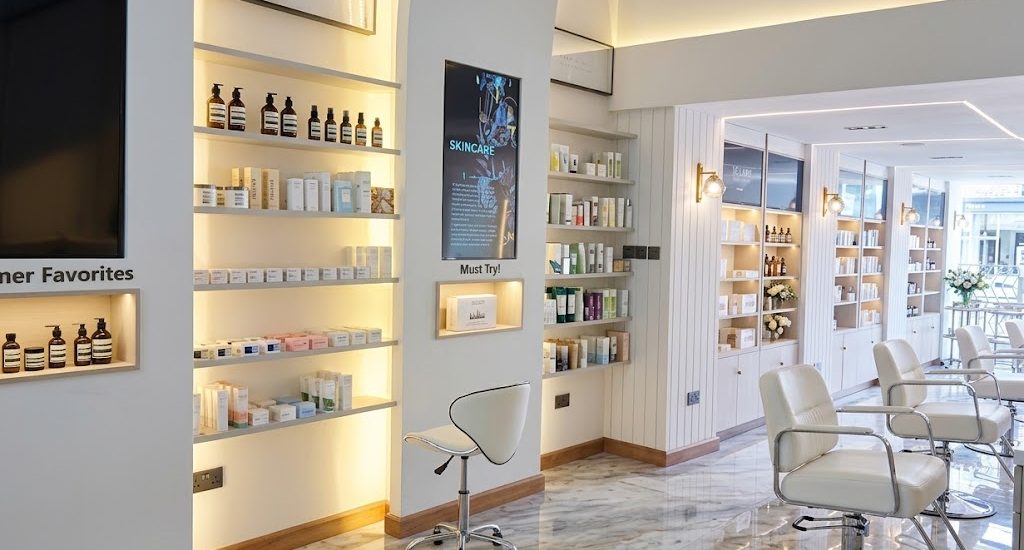
Strategic shelf positioning, organised displays, branded promotional materials and appropriate product arrangements help brands attract attention in busy retail environments.
For example, a beverage brand competing for attention in a supermarket may benefit from a well-maintained display in a relevant product section rather than relying entirely on its standard shelf position.
In smaller outlets, where shelf space is limited, good product arrangement can make an equally important difference.
Visibility gives a product an opportunity to be considered. Without it, even a strong product can struggle to compete.
2. It Influences Purchasing Decisions
Shoppers do not always enter retail outlets with a fixed list of brands they intend to purchase.
Some decisions are influenced by what they see while browsing. An attractive display, clearly presented promotion or conveniently positioned product can encourage shoppers to consider an alternative.
For instance, a customer who regularly buys one brand of washing powder may notice a competing product displayed with a clearly communicated promotional offer. That visibility may encourage them to try something different.
Merchandising does not guarantee a purchase, but it creates opportunities to influence the decision at the point where it matters most.
3. It Improves Brand Recognition
Consistent branding across retail outlets helps consumers recognise products more easily.
When customers repeatedly encounter familiar packaging, colours, displays and promotional messages, they become more familiar with the brand.
This is particularly important for businesses introducing new products into the Kenyan market. Consistent presentation helps establish a recognisable presence across supermarkets, minimarkets and traditional retail outlets.
A brand should not look completely different from one outlet to another. Merchandising standards help maintain a consistent identity wherever customers encounter the product.
4. It Supports Product Availability and Reduces Missed Sales Opportunities
A well-positioned product is not useful if it is out of stock.
Merchandising involves monitoring shelf availability, identifying low stock levels, checking product arrangement and reporting issues that could affect sales.
For example, a product may have strong demand in a particular supermarket, but poor shelf replenishment can leave customers with nothing to purchase.
This makes stock monitoring an important part of merchandising. Brands need to pay attention not only to how products look on shelves but also to whether they are consistently available.
5. It Helps Brands Compete for Retail Space
Retail shelf space is limited, and competing brands are constantly seeking better visibility.
Businesses need to demonstrate why their products deserve attention. This requires more than attractive packaging. It involves understanding the retail environment, consumer behaviour, product performance and the needs of individual outlets.
Effective merchandising helps brands manage their retail presence, maintain agreed displays and identify opportunities to improve product positioning.
Key Retail Merchandising Strategies That Drive Product Visibility and Sales
A successful merchandising strategy should be deliberate. Simply placing more products on shelves or distributing promotional materials does not automatically improve performance.
Brands need to understand where products should appear, how they should be presented and what they want shoppers to do.
1. Strategic Product Placement
Product placement determines where shoppers encounter a product within a retail outlet.
Brands should consider product categories, shopper movement, competing products and purchasing habits when deciding on placement.
For example, a personal care brand may want its products positioned within the relevant personal care section, while an impulse purchase product may benefit from additional visibility in suitable high-traffic areas.
The right placement depends on the product, the shopper and the outlet. A strategy that works in a large supermarket may not be practical in a neighbourhood kiosk.
2. Effective Shelf Positioning
Shelf positioning can influence how easily shoppers notice and access products.
Brands should pay attention to:
- Visibility within the relevant product category.
- Product arrangement and facing.
- Proximity to competing products.
- Availability of appropriate shelf space.
- Compliance with agreed retail display arrangements.
Eye-level positioning can be valuable in some categories, but it is not a universal rule. Product size, shopper demographics, shelf layout and retailer agreements also matter.
The objective is to secure a position that makes the product easy to identify and purchase.
3. Attractive Point-of-Sale Displays
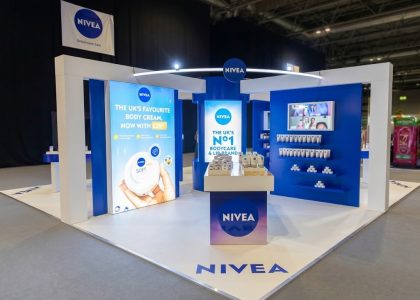
Point-of-sale displays help products stand out beyond their regular shelf positions.
Depending on the outlet and campaign, brands can use branded stands, display units, posters, shelf strips, wobblers and promotional signage.
A beverage company introducing a new flavour, for example, may use a dedicated display to attract attention and encourage customers to try the product.
However, displays should have a clear purpose. An attractive display that obstructs shoppers, communicates an unclear offer or contains products that are unavailable does little for sales.
4. Consistent Merchandising Across Retail Outlets
A brand’s retail presentation should follow agreed standards across its distribution network.
This means establishing clear guidelines for:
- Product arrangement and shelf presentation.
- Display materials and branding.
- Pricing and promotional communication.
- Stock monitoring and reporting.
- Competitor observations.
- Outlet-level merchandising compliance.
Consistency is particularly important for brands operating across different towns and regions in Kenya.
A product displayed properly in a Nairobi supermarket but poorly presented in a Nakuru or Kisumu outlet creates an inconsistent customer experience.
5. Promotional Merchandising and Product Activations
Merchandising can become more effective when combined with consumer engagement.
Product demonstrations, sampling, promotional offers and brand ambassadors can help shoppers understand a product and experience its benefits.
For example, a food brand introducing a new product may combine an organised shelf display with in-store sampling. The display attracts attention, while sampling gives customers an opportunity to experience the product.
This connects retail visibility with product trial and creates a stronger opportunity to influence purchasing decisions.
For brands planning such campaigns, product activation and marketing solutions can support the wider effort to connect consumers with products.
The Difference Between Merchandising in Supermarkets and Traditional Retail Outlets
One merchandising approach cannot work equally well across every retail environment.
Kenya’s retail landscape includes large supermarket chains, independent minimarkets, wholesalers, dukas, kiosks and specialised shops. Each has different space limitations, operating arrangements and customer traffic patterns.
Modern retail outlets
Supermarkets and larger retail stores often have structured shelving, defined product categories, promotional areas and established merchandising requirements.
Brands operating in these outlets need to pay attention to shelf positioning, display compliance, product facings, pricing and stock availability.
Traditional retail outlets
Dukas, kiosks and smaller neighbourhood shops may have limited display space, closely packed products and different stocking arrangements.
Merchandising in these outlets requires practical solutions that work within the available space. Product arrangement, clear visibility, accessible stock and strong retailer relationships become especially important.
For brands distributing across both channels, merchandising plans should reflect the realities of each outlet rather than imposing one standard everywhere.
Common Retail Merchandising Mistakes Brands Should Avoid
Even businesses that invest in merchandising can fail to achieve meaningful results when execution is weak.
Some common mistakes include:
1. Focusing on displays without checking stock availability. An attractive display cannot generate sales if the products are missing.
2. Ignoring smaller retail outlets. Concentrating merchandising efforts only on major supermarkets can leave important traditional trade opportunities unattended.
3. Using the same approach everywhere. Different outlets require different display arrangements and merchandising priorities.
4. Failing to monitor execution. A merchandising plan is only useful when someone checks whether it is being implemented correctly.
5. Measuring activity instead of performance. Counting displays installed or outlets visited does not automatically demonstrate commercial success.
Brands should assess whether merchandising is improving product availability, visibility, compliance and sales performance.
How Can Brands Measure the Effectiveness of Retail Merchandising?
Merchandising should be evaluated through practical performance indicators rather than assumptions.
Some useful measures include:
- Outlet coverage: How many targeted retail outlets are being serviced?
- Product availability: How often are products available on shelves?
- Display compliance: Are agreed merchandising standards being maintained?
- Shelf visibility: Are products positioned and presented as planned?
- Sales performance: Are sales improving in outlets where merchandising activities are implemented?
- Promotional performance: Are campaigns generating product trials and purchases?
- Competitor activity: How are competing brands positioning and promoting their products?
Where possible, businesses should compare sales performance before and after merchandising activities, while accounting for other factors that may influence demand.
The purpose is to identify what works, where it works and what needs improvement.
Why Brands Need Professional Merchandising Support
Managing merchandising across multiple retail outlets requires planning, coordination, field execution and consistent monitoring.
For growing brands, especially those expanding into new markets, this can become difficult to manage without the right people and systems.
Professional merchandising support can help businesses:
- Plan and coordinate retail merchandising activities.
- Improve product visibility and shelf presentation.
- Monitor stock availability and display compliance.
- Support product launches and promotional campaigns.
- Gather useful retail market and competitor insights.
- Improve coordination between sales teams, distributors and retail outlets.
However, brands should not judge merchandising partners by the number of outlets visited or displays installed alone. The real question is whether the work improves retail execution and supports commercial objectives.
Turn Retail Visibility into Better Sales Execution with Brina Solutions
Retail merchandising should do more than make products look attractive. It should help brands compete for attention, improve product availability, influence purchasing decisions and strengthen their presence across retail markets.
At Brina Solutions, we understand that taking a product to market requires more than getting it onto a shelf. Brands need the right market strategy, capable field teams, consistent execution and a clear understanding of the retail environment.
We support businesses through market development, product activation, merchandising-related marketing solutions, sales team training and business advisory.
Whether you are introducing a new product, expanding distribution or looking to strengthen your retail presence, we can help you approach market execution more strategically.
Let’s make your products easier to find, harder to overlook and better positioned to compete.
Visit Brina Solutions to discuss your business needs.