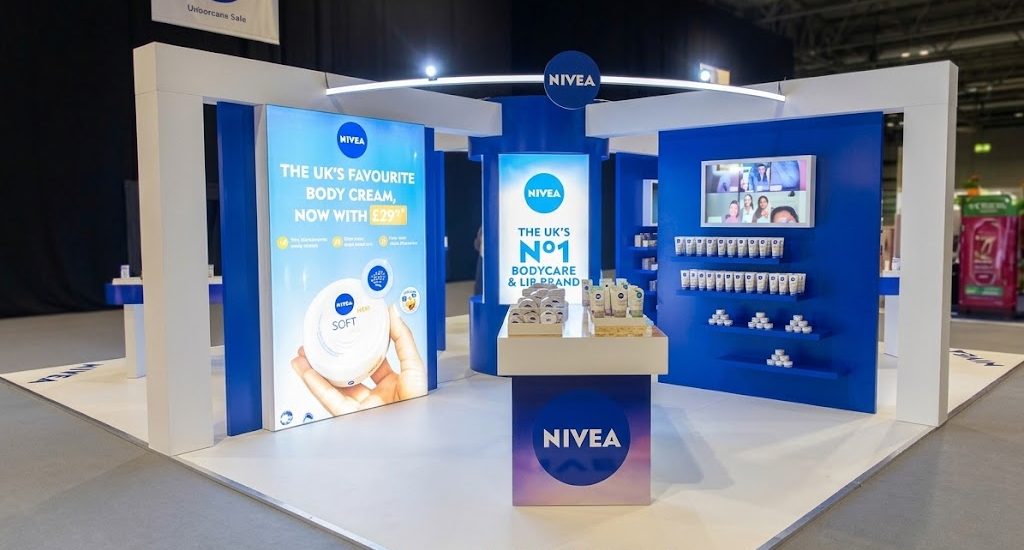
FMCG Product Promotions and Activations: How to Turn Retail Visibility into Actual Sales
Getting your product onto a retail shelf is an important achievement. Getting customers to notice it, try it and actually buy it is where the real work begins.
For FMCG manufacturers, FMCG product promotions and activations provide a direct way to connect brands with consumers, encourage product trials and influence purchasing decisions at the point of sale.
A supermarket can stock your product for months without generating meaningful movement. A well-designed activation, on the other hand, can introduce the product to new customers, demonstrate its value and give shoppers a reason to purchase.
But promotions should be more than attractive displays, branded tents and people handing out samples. Every activation needs a clear commercial objective.
The question is not simply how many people saw your brand. It is how many became interested, tried the product, made a purchase and returned to buy again.
Here is how manufacturers can use product promotions and activations to turn retail visibility into measurable sales.
1. Start with a Promotion Strategy That Has a Clear Sales Objective
Before organising an activation, determine what the campaign is expected to achieve.
Different products and market conditions require different promotional approaches. A new beverage entering the Kenyan market may need product sampling to encourage first-time purchases. An established household cleaning brand may need demonstrations to show consumers why it performs better than competing products.
Common activation objectives include:
- Introducing a new product to the market.
- Increasing awareness in selected geographical areas.
- Encouraging consumers to try an unfamiliar product.
- Increasing sales in specific retail outlets.
- Supporting the launch of a new product variant.
- Clearing selected stock through targeted promotions.
- Increasing repeat purchases and customer loyalty.
The target audience, product category, retail environment and campaign objective should determine the activation approach.
For example, a manufacturer launching a new snack brand may prioritise sampling in supermarkets, shopping centres and high-footfall consumer locations. A personal care brand may benefit more from demonstrations and product education in pharmacies, beauty shops and supermarkets.
The mistake to avoid: Running an activation simply because competitors are doing one. Without a clear objective, target audience and measurement plan, promotional spending can generate activity without meaningful commercial returns.
2. Use In-Store Promotions and Product Sampling to Encourage Trial
Many consumers are reluctant to purchase products they have never used, particularly when they already have established brands they trust.
In-store promotions help overcome this barrier by allowing shoppers to interact with a product while making purchasing decisions.
Product sampling is particularly useful for food, beverages, personal care products and other suitable consumer goods.
For example, a beverage manufacturer introducing a new juice flavour can organise sampling sessions in selected supermarkets. Shoppers get an opportunity to taste the product, ask questions and make an informed purchase.
Similarly, a food manufacturer can use tasting promotions to demonstrate flavour, quality or convenience.
Effective in-store promotions should include:
- Trained promotional representatives who understand the product.
- Clear product information and benefits.
- Samples that are properly handled and presented.
- Visible pricing and promotional offers.
- A convenient way for shoppers to purchase immediately.
- Adequate product stock to meet demand generated by the activation.
Sampling should not be treated as an end in itself. Giving away hundreds of samples means little if consumers cannot find the product on the shelf or have no reason to purchase it.
The objective is to connect product trial directly to availability and purchase.
3. Use Roadshows and Consumer Activations to Reach New Markets
Not every consumer visits a supermarket regularly, and not every product is best introduced through traditional retail promotions.
Roadshows and experiential marketing allow manufacturers to take their brands closer to consumers through organised public engagements, demonstrations and interactive experiences.
In Kenya, these activations can be organised around shopping centres, market areas, residential communities, selected events and other suitable high-footfall locations.
For example, a household products manufacturer introducing a new detergent may organise a consumer activation in selected towns. The campaign can include product demonstrations, consumer engagement and promotional offers that encourage shoppers to visit participating retail outlets.
Roadshows are particularly useful when businesses want to:
- Introduce products in new geographical markets.
- Build awareness beyond established retail outlets.
- Engage consumers directly.
- Generate product trials.
- Support distributor and retailer expansion.
- Collect feedback from potential customers.
However, roadshows should be linked to a clear distribution plan.
There is little commercial value in creating demand in a town where the product is unavailable or where retailers have not been prepared to handle additional orders.
A strong activation connects consumer awareness, product availability and retail sales.
4. Improve Merchandising and Point-of-Sale Visibility
Consumers make many purchasing decisions while shopping. Even when they recognise a brand, poor shelf positioning or weak product presentation can make it easy to overlook.
Merchandising ensures products are displayed attractively, correctly positioned and available where customers expect to find them.
Point-of-sale materials can also reinforce brand messages and draw attention to promotional offers.
Common merchandising activities include:
- Product arrangement and shelf organisation.
- Branded shelf strips and display units.
- Promotional stands and secondary displays.
- Price communication and promotional signage.
- Product placement in relevant retail sections.
- Monitoring competitor shelf activity.
- Checking stock availability and display compliance.
For instance, a manufacturer selling cooking products may improve product visibility through well-organised shelf displays in supermarkets and mini-markets.
A beverage brand may use branded chillers or secondary displays where permitted and commercially appropriate.
However, attractive displays alone do not guarantee sales. Merchandising must work alongside product availability, competitive pricing and consumer demand.
Manufacturers should also monitor whether agreed shelf positions and displays are maintained after promotional teams leave.
5. Use Product Demonstrations and Brand Ambassadors to Build Consumer Confidence
Some products require more explanation before consumers feel confident enough to purchase them.
A product demonstration gives potential customers an opportunity to understand how a product works, what makes it different and why it may be worth buying.
This is particularly useful for household appliances, cleaning products, personal care products, kitchen products and other items whose benefits are easier to demonstrate than explain through packaging.
For example, a cleaning products manufacturer can demonstrate how a particular product is used and explain its intended application. Consumers can then make purchasing decisions based on a clearer understanding of the product.
Brand ambassadors play an important role in these engagements.
They represent the brand, communicate product benefits, answer consumer questions and encourage purchases.
Effective brand ambassadors should have:
- Strong communication and interpersonal skills.
- Good understanding of the product.
- Ability to engage different customer groups.
- Knowledge of the campaign’s objectives and promotional terms.
- Professional conduct and brand representation.
- Ability to record useful consumer feedback and campaign activity.
The quality of the activation team matters. A poorly informed promoter can damage consumer confidence, even when the product itself is good.
6. Use Promotional Offers and Consumer Incentives to Encourage Purchases
Sometimes consumers already know a product but need an additional reason to purchase it.
Promotional incentives can encourage shoppers to choose a particular brand, try a new product or purchase more during a campaign.
Common FMCG promotional approaches include:
- Temporary price reductions.
- Buy-one-get-one offers.
- Product bundles.
- Discounts on selected pack sizes.
- Gifts with qualifying purchases.
- Loyalty rewards.
- Retailer incentives tied to agreed sales targets.
For example, a manufacturer introducing a new household cleaning product may offer a promotional bundle that allows customers to try two complementary products at a more attractive combined price.
A beverage brand may use a limited promotional offer to encourage purchases in selected retail outlets.
However, promotions must be commercially sustainable.
Excessive discounting can reduce profit margins, encourage customers to buy only when prices are reduced and weaken the product’s perceived value.
Before approving an offer, manufacturers should consider product margins, retailer participation, distributor margins, promotional costs and the expected increase in sales volume.
The best promotion is not necessarily the one that attracts the most customers. It is the one that generates worthwhile incremental sales without destroying profitability.
7. Connect Product Activations to Retail Distribution
One of the biggest weaknesses in FMCG promotional campaigns is poor coordination between marketing and distribution.
Marketing teams may generate consumer interest while sales and distribution teams struggle to supply the product.
This creates a gap between what the campaign promises and what consumers actually find in the market.
Before launching an activation, manufacturers should confirm:
- Participating retail outlets and locations.
- Product stock availability.
- Distributor and retailer readiness.
- Promotional pricing and agreed terms.
- Merchandising and display requirements.
- Replenishment arrangements.
- Responsibilities of the activation and sales teams.
For example, if a manufacturer plans a supermarket sampling campaign in Nairobi, the participating outlets should have sufficient stock before promotional representatives begin engaging shoppers.
If the activation is planned across several counties, distributors and retailers in those areas should be prepared to support the expected demand.
This coordination is especially important when launching new products or entering unfamiliar markets.
Product activation should not operate separately from distribution. Both must work together to convert consumer interest into actual sales.
8. Measure Activation Effectiveness and Actual Sales Uplift
A successful activation should be measured by what it achieves, not just how busy it looks.
Large crowds, branded photographs and sample distribution numbers can make a campaign appear successful. But they do not necessarily prove that the campaign generated additional sales.
Manufacturers need clear performance indicators that connect campaign activity to commercial results.
Useful measures include:
Consumer reach: How many people were engaged during the activation?
Product trials: How many consumers sampled, tested or interacted with the product?
Conversion rate: How many engaged consumers proceeded to purchase?
Sales uplift: How did sales change in participating outlets during the campaign compared with an appropriate baseline?
Cost per engagement: How much did it cost to engage each consumer?
Cost per trial: What was the cost of generating each product trial?
Stock movement: How much product moved through participating outlets during the campaign?
Repeat purchases: Did consumers continue buying after the promotion ended?
Retailer feedback: Did participating outlets report increased demand or improved product enquiries?
Where possible, compare participating outlets with similar outlets that did not receive the activation. Also account for seasonality, price changes, stock availability and other promotions that may influence sales.
For example, if a supermarket records higher beverage sales during an activation, the manufacturer should establish whether the increase was caused by the campaign or whether other factors, such as a general rise in demand, contributed.
This helps distinguish genuine incremental sales from sales that would have happened anyway.
9. Turn One-Time Promotions into Sustained Market Demand
An activation may generate strong initial interest, but what happens after the promotional team leaves?
Manufacturers should have a plan for maintaining product visibility, availability and consumer interest beyond the campaign.
This can involve:
- Following up with participating retailers.
- Monitoring stock availability and replenishment.
- Maintaining agreed merchandising standards.
- Collecting and acting on consumer feedback.
- Supporting distributors and sales representatives.
- Identifying outlets with strong product movement.
- Planning repeat campaigns based on actual performance.
For example, if a product performs particularly well in selected mini-markets, the manufacturer can use those results to identify similar outlets for future expansion.
Promotional activity should therefore generate useful market intelligence, not just short-term attention.
The long-term objective is to establish products that consumers recognise, retailers are willing to stock and distributors can supply consistently.
Turn Retail Visibility into Measurable Sales Growth
FMCG product promotions and activations are most effective when they connect consumer engagement with retail availability, persuasive product communication and measurable sales outcomes.
Sampling can encourage product trials. Roadshows can introduce brands to new markets. Merchandising can improve shelf visibility. Demonstrations can build confidence, while promotional offers can encourage purchasing decisions.
But none of these activities works in isolation.
Manufacturers need a coordinated approach that brings together marketing, distribution, sales teams and retail execution.
At Brina Solutions, we help businesses take products to market, activate demand and improve execution through product activation, market development, sales team training and business advisory.
From in-store promotions and product sampling to roadshows, merchandising and consumer engagement, effective activation starts with understanding the product, the target market and the commercial results the campaign needs to deliver.
Planning to introduce a new FMCG product, increase retail visibility or improve product movement?
Let’s develop an activation strategy that connects your brand with the right consumers and turns market attention into commercial results.
Contact Brina Solutions to discuss your product activation and market development needs.