Let’s break this down.
What is Product Activation?
At its core, Product Activation is the strategic process of “switching on” a brand in the consumer’s mind at the exact moment of purchase. It is the transition from a passive product one that merely exists on a shelf to an active brand that engages, demonstrates value, and triggers an emotional or logical “yes” from the shopper.
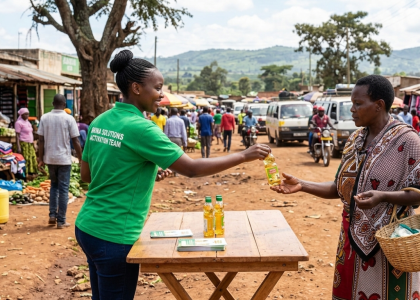
In the high-stakes environment of Kenyan retail, product activation acts as the bridge between brand awareness (knowing a product exists) and brand conversion (buying the product). It involves a mix of sensory experiences, such as in-store sampling, tactical point-of-sale displays, live demonstrations, and the use of trained brand ambassadors who can explain a product’s unique value proposition in real-time. Without a deliberate product activation strategy, a new brand is effectively invisible, regardless of how good the “stuff inside the box” actually is.
Why Is My Product Not Selling in Supermarkets in Kenya?
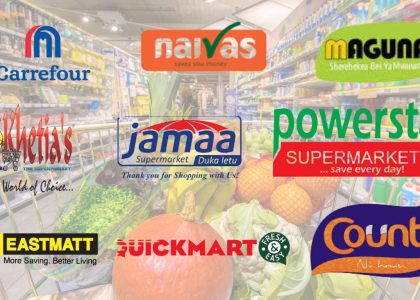
You’ve done the hard work. You’ve secured the KEBS certification, designed a logo that looks “international,” and finally convinced a buyer at Naivas, Carrefour, or Quickmart to list your SKU. You’ve arrived.
But three months later, the reports are bleak. Your stock is gathering dust, and the supermarket floor manager is mentioning the dreaded “slow-mover” exit clause. Why? In the Kenyan retail ecosystem, getting on the shelf is only 10% of the battle. The other 90% is survival. If your product isn’t moving, it’s likely because you’ve ignored the science of product activation.
1. The “Ghost Brand” Syndrome (Lack of Visibility)
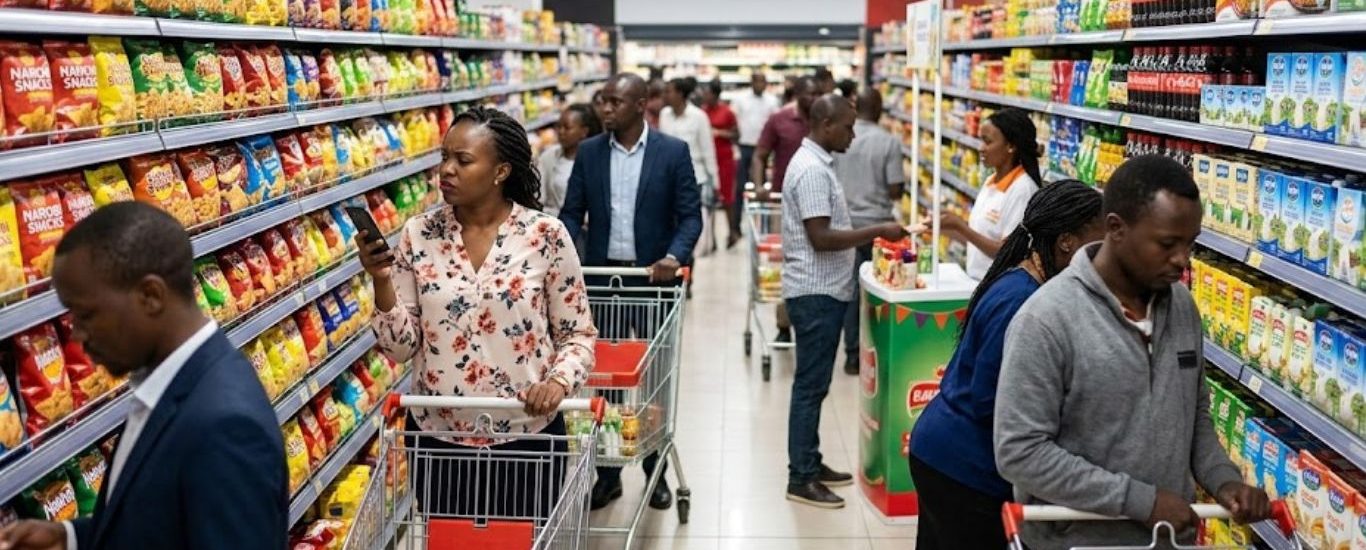
Walk into any Carrefour in Nairobi. You are met with a sensory overload hundreds of competing brands, flashing “Offer” signs, and the scent of the bakery. In this chaos, a customer’s brain operates on autopilot. If they don’t recognize your brand within three seconds, you don’t exist.
Many Kenyan entrepreneurs rely on “hope marketing.” They hope the packaging is enough. They hope the price is right. But global giants like Coca-Cola or Unilever never leave it to hope. They understand that visibility is earned, not given. If your product is tucked away on the bottom shelf or hidden behind a pillar, it will never sell.
You can’t always control your shelf placement, but you can control your presence through Product Activation Services that create “theatres” in the aisle—pop-up stands or shelf-talkers that scream for attention.
2. The Trust Deficit: The “First-Timer” Fear
Kenyan consumers are incredibly brand-loyal because of “disposable income anxiety.” If a shopper has 200 KES for cooking oil, they will pick the brand their mother used (like Elianto or Salit) because they know it works. They are afraid to “waste” money on your new, unproven brand.
How do you break this? Through experiential product activation. Think about the global launch of Dyson vacuums. They didn’t just show boxes; they created stations where people could literally vacuum up dirt. Locally, look at how Digital Marketing combined with in-store sampling can bridge this gap. When a customer tastes your juice or feels the texture of your lotion in-store, the risk of “wasted money” vanishes.
3. The Pricing Trap vs. Value Perception
Many Kenyan SMEs think the solution to slow sales is a price cut. This is a race to the bottom. If you are cheaper than the market leader, the consumer might actually think your quality is lower.
Instead of lowering prices, you need to increase the perceived value. This is where Business Development strategies come into play. Your product needs a story. Why is it better? Is it more concentrated? Does it last longer? If you aren’t communicating this through point-of-sale materials or trained brand ambassadors, the customer will only see the price tag, not the value.
4. The “Silent” Sales Rep (The Power of Human Connection)
In Kenya, we are a social people. We buy from people, not from shelves. A major reason your product might be failing is the absence of a “vocal” presence.
Consider how Samsung or Tecno dominate electronic floors. They don’t wait for the supermarket staff (who are often overworked and under-informed) to sell their phones. They have dedicated, trained brand ambassadors. If your product requires explanation—like a new health supplement or a specialized cleaning agent you need professional Corporate Training for your field team to ensure they know how to close a sale in the middle of a busy aisle.
The Global Lesson: The “Oreo” Approach
When Oreo entered the Chinese market, they struggled initially. Why? Because the original American cookie was too sweet and the packaging too large for local habits. They didn’t just give up; they used aggressive product activation and local market research to change their recipe and create smaller, affordable packs.
In Kenya, you must ask: Is my packaging “Wanjiku-friendly”? Can I offer “Kadogo” economy sizes? Is my activation highlighting the benefits that Kenyans actually care about? Without these insights, your product is just another box in a crowded room.
The Verdict: Move or Be Moved
The supermarket shelf is the most expensive real estate in Kenya. If you aren’t paying your “rent” in the form of high sales volumes, the retailer will evict you.
You cannot afford to wait for “organic growth.” In a market where your competitors are aggressively engaging your customers before they even reach your aisle, you need a strike team. Effective product activation is not a luxury; it is the life support system for your retail brand.
Stop Watching Your Stock Expire!
Every day your product sits on that shelf is a day you lose money on storage, distribution, and opportunity costs. The window for retail success in Kenya is shrinking as new brands flood the market daily.
Brina Solutions specializes in turning “shelf-warmers” into market leaders. We don’t just put products in stores; we make them move. From professional brand ambassadors to high-impact in-store displays and strategic go-to-market execution, we have the keys to your retail success.
Don’t wait for the “Notice to Withdraw” from the retailer. Book an Appointment with Brina Solutions Today and let’s get your products into the hands (and homes) of Kenyan consumers before your competition does. Your bottom line cannot afford another month of silence.