
Beyond the Logo: Essential Branding Materials Every Business Needs
A logo is only the beginning of building a recognisable business brand. While it gives your business a visual identity, customers interact with your brand through many other materials, including business cards, company profiles, brochures, banners, branded stationery, uniforms and promotional merchandise.
These branding materials help businesses communicate their identity, establish credibility and create a consistent experience across different customer touchpoints.
For businesses in Kenya, investing in the right branding materials can make a difference when attending exhibitions, meeting potential clients, pitching for contracts, promoting products or welcoming new customers.
At Brina Solutions, we help businesses develop branding that goes beyond appearance, ensuring that their brand identity is reflected in the materials they use to communicate with the market.
1. Business Cards: Making Professional Introductions
Business cards remain useful tools for professional networking, particularly during meetings, conferences, exhibitions and business events.
A well-designed business card should communicate the essential details about your business without overcrowding the design.
Important elements include:
- Business name and logo.
- Name and designation of the contact person.
- Telephone number and email address.
- Website and relevant social media handles.
- A simple, professional design that reflects your brand identity.
A poorly designed business card can make even an established business appear unprofessional. Keep the layout clean, use readable fonts and ensure that your contact details are accurate.
2. Company Profiles: Presenting Your Business Professionally
A company profile introduces your business to potential clients, partners, investors and procurement teams.
It should explain what your business does, the problems it solves, its capabilities and why customers should consider working with it.
A professional company profile may include:
- Company background and overview.
- Vision, mission and values.
- Products and services.
- Core competencies.
- Relevant experience and achievements.
- Contact information.
For businesses responding to procurement opportunities or seeking corporate partnerships, a well-structured company profile can support the credibility of a proposal.
The most important consideration is accuracy. Avoid exaggerated claims, outdated information and generic descriptions that fail to explain what makes your business valuable.
3. Brochures and Flyers: Communicating Your Products and Services
Brochures and flyers help businesses communicate specific products, services, offers and campaigns.
They are particularly useful for:
- Product launches and promotions.
- Trade exhibitions and business events.
- Retail and point-of-sale marketing.
- Service introductions.
- Corporate presentations and outreach.
A brochure provides more room to explain your offerings, while a flyer is better suited to communicating a focused message quickly.
Both should have a clear purpose, strong visual hierarchy, readable content and an obvious call to action.
For example, a business exhibiting at a trade fair in Nairobi may use brochures to introduce its services while distributing flyers highlighting a specific product or promotional offer.
4. Branded Stationery: Creating Consistency in Daily Business Operations
Your brand should remain recognisable even in everyday business communication.
Branded stationery helps create a consistent corporate image across documents and correspondence.
Common branded stationery includes:
- Letterheads.
- Envelopes.
- Presentation folders.
- Notebooks and writing pads.
- Compliment slips.
- Branded document covers.
- Business document templates.
These materials are especially important for professional firms, consultants, institutions and businesses that regularly communicate with corporate clients.
Consistency in logo placement, colours, typography and layout helps reinforce your identity and makes your business communication look more organised.
5. Banners, Signage and Exhibition Displays: Making Your Brand Visible
Your brand should be easy to identify wherever customers interact with your business.
Banners, signage and exhibition displays help businesses attract attention and communicate their identity in physical spaces.
Examples include:
- Roll-up banners.
- Promotional backdrops.
- Reception branding.
- Office signage.
- Exhibition stands and display graphics.
- Directional signs.
- Retail promotional displays.
For companies participating in events such as trade fairs, expos and corporate exhibitions, branded displays provide an opportunity to attract visitors and communicate key messages.
However, visibility alone is not enough. Your display should communicate what your business offers and give interested visitors a clear next step.
6. Branded Merchandise: Keeping Your Brand in Circulation
Branded merchandise allows businesses to extend their identity beyond offices, websites and marketing campaigns.
Common examples include:
- Branded T-shirts and polo shirts.
- Caps.
- Mugs and water bottles.
- Pens.
- Diaries and notebooks.
- Tote bags.
- Promotional gift sets.
These items can support corporate events, employee engagement, customer appreciation, promotional campaigns and brand activations.
The key is to select merchandise that is relevant to the intended audience. A useful, well-presented branded item is more likely to be retained and used than an item selected simply because it is inexpensive.
7. Packaging and Product Branding: Strengthening Shelf Appeal
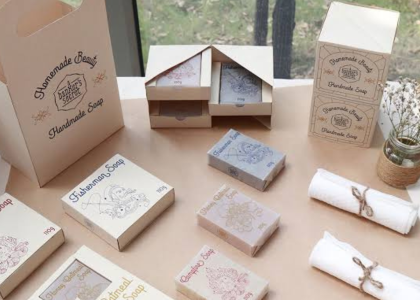
For businesses selling physical products, packaging is an important part of the customer experience.
Customers often encounter packaging before they experience the product itself. Its design, presentation and information can influence how they perceive the product.
Effective product branding should consider:
- Consistent use of brand colours and identity.
- Clear product names and descriptions.
- Readable product information.
- Visual differentiation from competing products.
- Suitability for the intended market and retail environment.
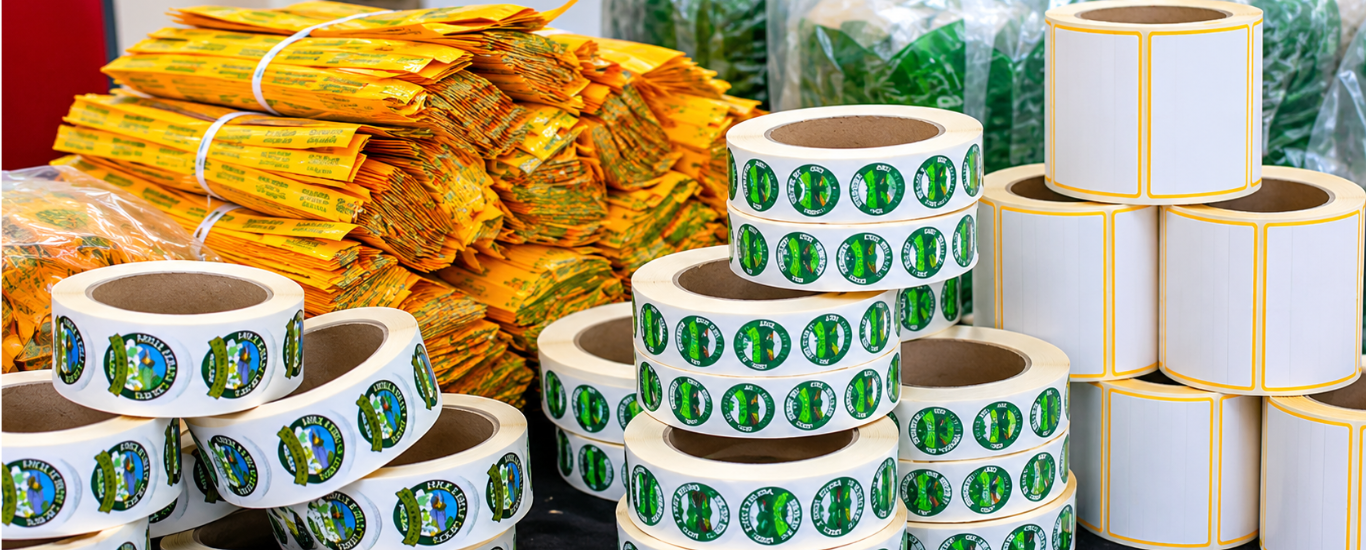
For Kenyan FMCG businesses competing for attention in supermarkets, minimarts, wholesalers and general trade outlets, product presentation can contribute to stronger brand recognition.
Packaging should not simply look attractive. It should communicate the product’s value and help customers recognise it.
8. Digital Branding Materials: Extending Your Identity Online
Brand consistency should not stop with printed materials.
Your business also needs professionally branded digital assets that communicate the same identity across online platforms.
These may include:
- Social media templates.
- Digital brochures and company profiles.
- Branded presentation slides.
- Email signatures.
- Website graphics and banners.
- Digital advertisements.
- Branded proposal and quotation templates.
When your printed and digital materials share a consistent identity, customers are more likely to recognise your business across different platforms.
How to Choose the Right Branding Materials for Your Business
Not every business needs every branding material. Investing in everything at once can result in unnecessary costs, particularly for small and growing businesses.
Instead, consider the following:
1. Your business objectives
Are you trying to attract new customers, improve corporate presentation, participate in exhibitions or promote a product? Start with materials that directly support your objective.
2. Your target audience
Consider who will receive or interact with the materials. A corporate client may value a professional company profile and presentation folder, while a retail customer may respond better to product packaging and promotional materials.
3. Your brand identity
Your materials should follow consistent branding guidelines, including colours, fonts, logo usage and messaging.
4. Quality and practicality
Choose materials that are suitable for their intended use. Poor print quality, incorrect colours and inaccurate information can undermine an otherwise strong brand identity.
5. Production and distribution
Consider quantities, material specifications, production requirements and how the finished items will reach their intended users. Proper planning helps avoid waste and last-minute branding expenses.
Common Branding Material Mistakes to Avoid
Even businesses that invest in branding can make mistakes that weaken their presentation.
Watch out for:
- Using different logos and colours across materials.
- Poor-quality printing and finishing.
- Overcrowded layouts with too much information.
- Incorrect contact details.
- Choosing materials without considering their purpose.
- Producing large quantities before confirming the design.
- Focusing on appearance while ignoring usability.
A strong branding investment requires more than attractive artwork. Design, content, quality control and production planning must work together.
Build a Consistent Brand with Brina Solutions
Your business deserves more than a logo. It needs a consistent identity that is reflected in every material customers, employees and business partners encounter.
At Brina Solutions, we support businesses with branding services that help translate their identity into practical marketing and corporate communication materials.
Whether you need business cards, company profiles, brochures, branded stationery, exhibition materials, promotional merchandise or support with a broader branding project, we can help you plan and coordinate the right solution.
We work with businesses to ensure that branding materials are aligned with their identity, objectives and intended audience.
Ready to take your branding beyond the logo?
Contact Brina Solutions to discuss your branding requirements.


Every Perspective Matters
Have thoughts on our articles? Share your experience, ask questions and contribute to the conversation.