Sports Day and Fun Day Packages in Kenya: Activities, Ideas and Planning Guide
There is something special about bringing people together for a day of games, friendly competition, laughter and entertainment.
Whether it is a school organising an annual sports day, a company planning an employee fun day, an organisation celebrating an anniversary or a community bringing families together, these events create opportunities for people to connect beyond their everyday routines.
A well-organised sports day or fun day is more than a collection of games. It is an experience that encourages participation, celebrates talent, builds relationships and creates memories.
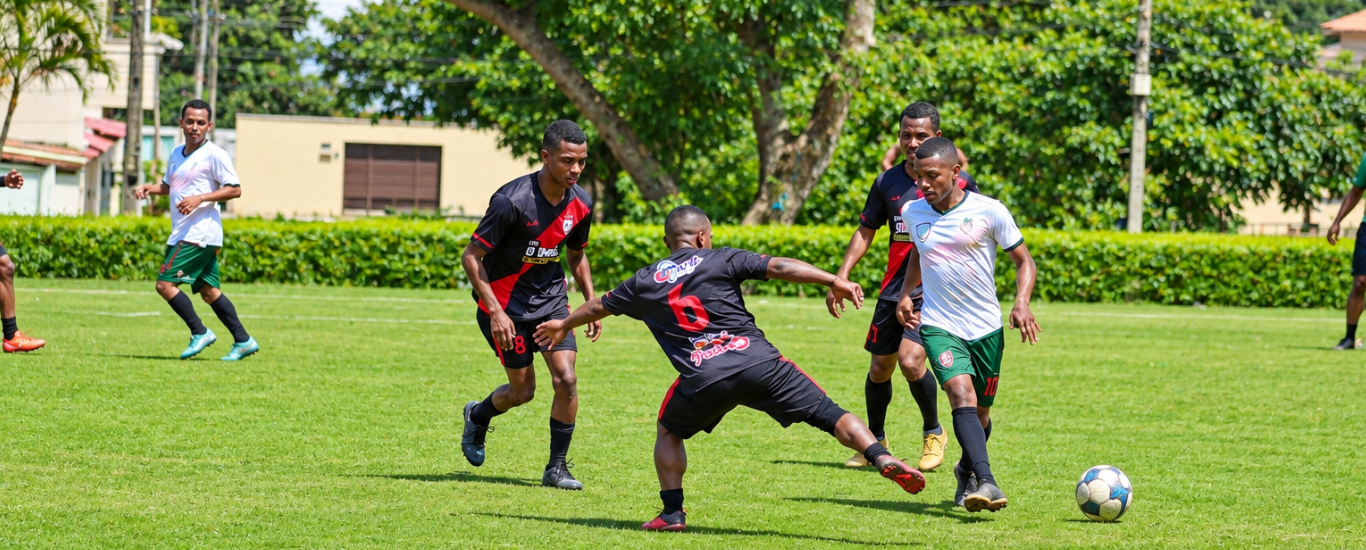
From exciting relay races and tug-of-war competitions to football, volleyball, treasure hunts, dance challenges and family games, there are countless ways to make an event enjoyable for different age groups and interests.
However, organising a successful event requires more than identifying a few games. You need the right venue, activities, equipment, facilitators, logistics and an event programme that keeps participants engaged.
At Brina Solutions, we help organisations plan and facilitate exciting sports days and fun day experiences across Kenya. Our programmes are customised to suit the nature of the event, participant numbers, available facilities, objectives and budget.
In this guide, we explore sports day and fun day packages in Kenya, popular activities, destination options, planning considerations and how to create an event that participants will genuinely enjoy.
1. What Is a Sports Day and Fun Day Event?
A sports day is an organised event where participants take part in sporting competitions, recreational games and physical challenges.
It can involve individual competitions, team-based games, departmental contests or inter-group tournaments.
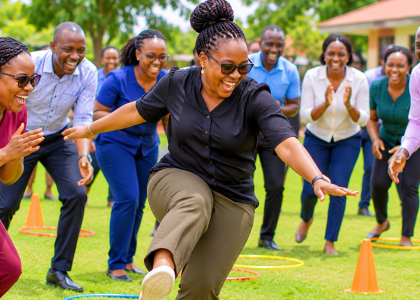
A fun day, on the other hand, focuses on entertainment, recreation, social interaction and general participation. It may include sporting activities, but it also accommodates creative games, music, dancing, family entertainment and other recreational experiences.
The two events can be organised separately or combined into one exciting programme.
Typical activities include:
- Football and volleyball competitions.
- Relay races and athletics.
- Tug-of-war.
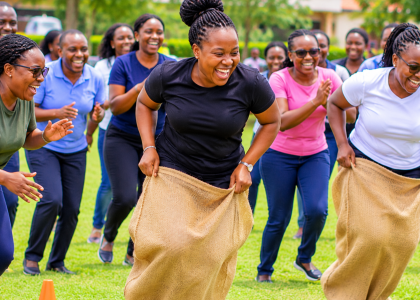
- Sack races and three-legged races.
- Basketball and other recreational sports.
- Treasure hunts and obstacle challenges.
- Music and dance competitions.
- Family games and children’s activities.
- Team challenges and group competitions.
- Staff and departmental competitions.
- Talent showcases and entertainment.
The format depends on the audience and the experience the organiser wants to create.
For example, a school sports day may prioritise athletics and inter-class competitions, while a corporate fun day may combine sporting activities with team challenges, music and employee entertainment.
The objective is to create an organised, inclusive and enjoyable experience where everyone has an opportunity to participate.
2. Why Should Organisations Organise Sports Days and Fun Days?
Sports days and fun days offer more than entertainment. They create opportunities for organisations to bring people together, celebrate achievements and strengthen relationships.
Here are some reasons to consider organising one.
A. Promoting Physical Activity and Wellness
Sports days encourage people to step away from their normal routines and participate in physical activities.
Friendly competitions, races and recreational games provide an enjoyable way to encourage movement and active participation.
For organisations, this can form part of wider employee wellness initiatives.
B. Encouraging Teamwork and Collaboration
Many sporting activities require participants to work together towards a common objective.
Relay races, team competitions and group challenges encourage communication, coordination and cooperation.
They also provide an opportunity for people from different departments, classes or groups to interact.
C. Creating Healthy Competition
Friendly competition adds excitement to an event.
Participants can represent their respective teams, departments, classes or organisations and compete for recognition.
When properly managed, competition encourages participation, enthusiasm and team spirit without creating unnecessary tension.
D. Strengthening Social Connections
People often interact differently when they are outside their normal working or learning environments.
A fun day creates an informal atmosphere where participants can connect, discover shared interests and build relationships.
E. Celebrating Achievements and Milestones
An organisation can use a sports day or fun day to celebrate an anniversary, successful project, academic year, company milestone or institutional achievement.
It provides a memorable way to recognise participants and appreciate their contribution.
F. Supporting Employee and Community Engagement
Companies, schools, churches, NGOs and community organisations can use fun days to bring together employees, learners, families, members and other stakeholders.
A well-planned event helps create a sense of belonging and shared identity.
3. Sports Day and Fun Day Packages in Kenya
Different organisations have different event requirements.
A school may need an athletics programme for learners, while a company may want a departmental sports competition combined with entertainment for employees.
The following are some of the packages worth considering.
Package 1: School Sports Day Package
<PRIVATE_PERSON> A school sports day is an opportunity for learners to showcase their sporting abilities, participate in friendly competitions and represent their respective classes or houses.
The programme can include:
- Track and field competitions.
- Sprint races.
- Relay races.
- Sack races.
- Three-legged races.
- Tug-of-war.
- Football competitions.
- Volleyball and basketball.
- Novelty races.
- Team games.
- Award presentations.
The event can be designed around the school’s existing house system or organised into different competing teams.
For younger learners, activities can focus more on participation, coordination and enjoyment rather than intense competition.
For older learners, the programme can incorporate more structured sporting competitions.
Best suited for: Primary schools, junior schools, secondary schools and other learning institutions.
Package 2: Corporate Sports Day and Employee Fun Day
A corporate sports day gives employees an opportunity to compete, interact and enjoy a day away from their normal office environment.
It can be organised between departments, branches, project teams or different employee groups.
Activities may include:
- Departmental football competitions.
- Volleyball tournaments.
- Basketball competitions.
- Relay races.
- Tug-of-war.
- Staff Olympics.
- Sack races.
- Table tennis.
- Creative team challenges.
- Music and dance competitions.
- Staff awards and recognition.
The programme can also incorporate employee wellness and team building activities.
Best suited for: Companies, SMEs, corporate organisations, SACCOs, financial institutions and large employee groups.
Package 3: Family Fun Day Package
A family fun day brings employees, families, children and other invited guests together for a relaxed recreational experience.
Unlike a conventional sports tournament, the programme accommodates participants with different interests and abilities.
Activities may include:
- Family relay races.
- Parent-and-child competitions.
- Children’s games.
- Face painting.
- Treasure hunts.
- Bouncing castle activities, where suitable facilities are available.
- Music and dancing.
- Interactive entertainment.
- Family tug-of-war.
- Talent showcases.
- Group photography.
The programme can combine organised competitions with free recreational activities.
Best suited for: Companies, schools, churches, associations and organisations organising family engagement events.
Package 4: Community Sports Day and Fun Day
Community fun days create opportunities for residents, groups and local organisations to interact through sports, entertainment and recreational activities.
The programme can be designed around community participation rather than professional sporting ability.
Activities may include:
- Football tournaments.
- Volleyball competitions.
- Relay races.
- Athletics.
- Tug-of-war.
- Traditional games.
- Music and dance.
- Children’s activities.
- Talent competitions.
- Community team challenges.
Best suited for: NGOs, churches, community groups, youth organisations, associations and CSR initiatives.
Package 5: Inter-School and Inter-Organisation Sports Competitions
For organisations that want a more competitive experience, an inter-group tournament can bring several participating institutions or teams together.
The event can feature structured competitions with fixtures, referees, scoring systems and awards.
Possible sporting categories include:
- Football.
- Volleyball.
- Basketball.
- Netball.
- Athletics.
- Relay races.
- Tug-of-war.
- Table tennis.
- Other agreed recreational sports.
The competition format can be determined by the number of participating teams, available facilities and event objectives.
Best suited for: Schools, colleges, universities, corporate organisations, associations and institutional networks.
Package 6: Recreational Games and Team Building Fun Day
Not every organisation wants a formal sports competition.
Some prefer a more relaxed programme where people participate in different games without the pressure of winning a tournament.
Activities can include:
- Icebreakers.
- Team relays.
- Balloon challenges.
- Treasure hunts.
- Human bingo.
- Creative competitions.
- Group puzzles.
- Music and dance challenges.
- Problem-solving games.
- Interactive recreational activities.
Best suited for: Organisations looking for a relaxed, inclusive and interactive event.
4. Exciting Sports Day Activities to Include in Your Event
The activities are what make a sports day memorable.
A good programme should provide variety, allowing participants to compete, collaborate, laugh and enjoy themselves.
Here are some popular activities to consider.
A. Track and Field Competitions
<PRIVATE_PERSON> Traditional athletics can form the foundation of a school or organisational sports day.
Depending on the participants and available facilities, competitions may include:
- 50-metre races.
- 100-metre races.
- 200-metre races.
- Relay races.
- Long jump.
- Standing long jump.
- Other suitable field events.
These activities work particularly well for schools and groups interested in a more traditional sports day format.
B. Relay Races
Relay races are excellent for encouraging teamwork and friendly competition.
Participants work together to complete a course, with each team member contributing towards the final result.
Variations include:
- Baton relay.
- Sack relay.
- Water relay.
- Balloon relay.
- Three-legged relay.
- Obstacle relay.
C. Tug-of-War
Tug-of-war is one of the most popular group competitions for sports days.
Two teams compete against each other in a test of coordination, teamwork and collective effort.
The activity is easy to understand and can generate excitement among participants and spectators.
It should be facilitated with suitable equipment, a safe playing surface and appropriate supervision.
D. Football Competitions
Football can be a central feature of a corporate, school or community sports day.
Depending on the event, organisers can introduce:
- Departmental football tournaments.
- Staff-versus-management matches.
- Inter-class competitions.
- Five-a-side football.
- Friendly mixed-team matches.
- Penalty shootouts.
E. Volleyball Competitions
Volleyball is another excellent team sport for organised events.
It encourages communication, coordination and cooperation while providing an opportunity for different groups to compete.
F. Basketball Challenges
Basketball activities can include friendly matches, shooting competitions and team challenges.
The format can be adjusted to accommodate beginners and experienced players.
G. Sack Races
Sack races bring a fun and lighthearted element to sports days.
Participants compete to reach the finish line while hopping inside sacks.
They are particularly popular during school sports days and recreational fun days.
H. Three-Legged Races
Participants work in pairs, with their adjacent legs joined together.
The challenge is to coordinate movement and reach the finish line together.
This activity encourages communication and coordination while creating plenty of entertainment.
I. Obstacle Challenges
Obstacle challenges can be designed around different levels of ability.
They may involve navigating simple obstacles, completing team tasks or carrying out coordination exercises.
The course should be designed around the participants’ ages, abilities and the available facilities.
J. Novelty Races
Novelty races introduce creativity and humour into the programme.
Ideas include:
- Egg-and-spoon races.
- Wheelbarrow races.
- Balloon races.
- Hula-hoop challenges.
- Water-cup relay.
- Beanbag races.
- Musical competitions.
These activities are particularly useful for keeping a fun day from becoming an overly serious sporting competition.
5. Fun Day Activities Beyond Traditional Sports
A successful fun day should not be limited to people who enjoy athletics or competitive sports.
Including non-sporting activities creates more opportunities for participation.
A. Treasure Hunt
Participants work individually or in teams to find clues and complete challenges.
The activity can be designed around the venue and the nature of the event.
B. Music and Dance Competitions
Music creates an energetic atmosphere and encourages participation.
Activities may include:
- Musical chairs.
- Dance-offs.
- Guess the song.
- Finish the lyrics.
- Cultural dance competitions.
- Group choreography.
- Sing-along challenges.
C. The Amazing Race
Teams complete different challenges at designated stations.
Tasks can involve puzzles, creative activities, observation and coordination.
The format encourages teamwork and gives participants a chance to demonstrate different abilities.
D. Talent Showcase
Invite participants to showcase their talents through singing, dancing, poetry, comedy, storytelling and other performances.
This adds an entertainment element and allows people to share skills beyond their normal professional or academic roles.
E. Giant Group Games
Depending on the available equipment and space, organisers can introduce oversized versions of familiar games.
Examples include:
- Giant Jenga.
- Giant chess.
- Giant board games.
- Ring toss.
- Target challenges.
- Oversized connect games.
F. Family and Children’s Activities
For family-oriented events, include activities that children and adults can enjoy.
These may include:
- Face painting.
- Colouring stations.
- Family relays.
- Interactive games.
- Children’s obstacle challenges.
- Creative competitions.
- Storytelling and entertainment.
The best fun day programmes combine different activity categories rather than concentrating on one type of competition.
6. Choosing the Right Venue for a Sports Day or Fun Day in Kenya
The venue determines what activities can be organised and how comfortably participants can enjoy the event.
A football tournament requires different facilities from a family fun day or a corporate recreational event.
Consider the following factors before selecting a destination.
A. Available Playing Space
Sports days require sufficient space for the planned activities.
Check whether the venue has:
- Open playing fields.
- Football pitches.
- Volleyball courts.
- Basketball courts.
- Athletics tracks, where required.
- Indoor activity areas.
- Designated spectator spaces.
Do not assume that a venue advertising recreational facilities can accommodate every activity. Confirm the actual facilities before booking.
B. Location and Accessibility
The destination should be convenient for the participants.
Consider where the majority of attendees will travel from and whether the venue is suitable for a one-day event.
For example:
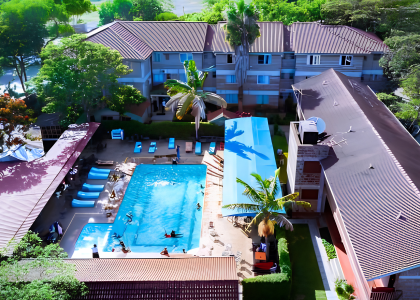
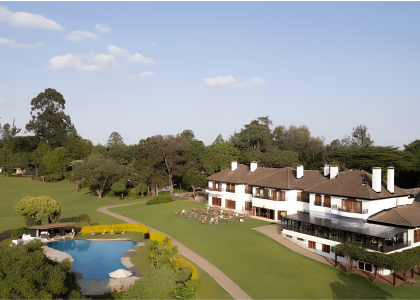
- Organisations in Nairobi can explore venues around Nairobi, Limuru, Kiambu, Machakos and Naivasha.
- Schools in Nakuru can consider destinations within Nakuru and neighbouring areas.
- Organisations in Kisumu can explore suitable facilities within Kisumu and the wider Western Kenya region.
- Groups in Mombasa can consider coastal recreational facilities and hotel venues.
- Organisations in Eldoret can explore suitable sports and recreational facilities within the region.
A popular destination is not automatically the best choice if the travel requirements make the event unnecessarily expensive or tiring.
C. Venue Capacity
The venue should comfortably accommodate participants, organisers, spectators and invited guests.
A group of 40 people may require a different arrangement from an event with 300 or more participants.
D. Changing and Sanitary Facilities
For events involving sporting activities, participants may need access to:
- Washrooms.
- Changing rooms.
- Showers, where available.
- Drinking water.
- Resting areas.
E. Safety and First Aid
Consider the suitability of the playing surfaces, available supervision, emergency access and first-aid arrangements.
Activities should be selected according to the participants’ capabilities and the venue’s facilities.
F. Catering and Refreshments
For longer events, consider the availability of meals, drinking water and refreshments.
The catering arrangement should suit the number of participants and the overall event budget.
G. Weather Considerations
Outdoor events can be affected by rain, strong sunlight and other weather conditions.
Where possible, select venues with indoor or sheltered alternatives.
7. How Much Do Sports Day and Fun Day Packages Cost in Kenya?
The cost of organising a sports day or fun day depends on the event format, number of participants, destination and resources required.
A simple school sports day using existing school grounds will have different costs from a large corporate event involving transport, venue hire, professional facilitation, entertainment and equipment.
The main cost components include:
| Cost component | What it covers |
|---|---|
| Venue | Playing fields, courts, grounds and facility hire |
| Equipment | Balls, cones, whistles, bibs, ropes and game materials |
| Facilitation | Event facilitators and activity coordinators |
| Sports officials | Referees, judges and scorers where required |
| Entertainment | MC, DJ, sound system and performances |
| Transport | Buses, vans and other group transport |
| Catering | Meals, refreshments and drinking water |
| Branding | Team T-shirts, banners, medals and event materials |
| Awards | Trophies, certificates and prizes |
| Safety | First aid and other appropriate safety arrangements |
What Determines the Cost Per Participant?
Number of participants: The size of the group influences equipment, staffing, venue capacity and catering requirements.
Type of event: A recreational fun day may require different resources from a structured tournament.
Destination: Travel distance, venue charges and facility availability influence the overall cost.
Activities: Specialised sporting activities may require additional equipment, officials and supervision.
Event duration: A half-day event, full-day programme and multi-day tournament have different logistical requirements.
How to Organise an Affordable Sports Day
Organisations can manage costs without compromising the experience.
Consider these approaches:
- Use existing school or organisational grounds where suitable.
- Select activities that require minimal specialised equipment.
- Choose a convenient destination to reduce transport expenses.
- Use team-based competitions to encourage participation.
- Combine activities that share equipment and facilities.
- Plan the event according to the actual number of participants.
- Request a comprehensive quotation that clearly identifies inclusions and exclusions.
At Brina Solutions, we can help develop a programme around your available budget and event objectives.
8. Sports Day vs Fun Day: Which One Should You Choose?
Although the two events can be combined, they have different primary objectives.
| Sports day | Fun day |
|---|---|
| Focuses on sporting competitions | Focuses on entertainment and recreation |
| Includes structured games and tournaments | Includes varied recreational activities |
| May involve fixtures and scoring | May involve informal competitions |
| Encourages sporting participation | Encourages wider social participation |
| Often includes awards and medals | May include prizes and entertainment |
| Suitable for athletic and recreational competitions | Suitable for diverse ages and interests |
Can You Combine Both?
Absolutely.
In fact, combining the two can create a more engaging event.
For example, an organisation can organise sporting competitions in the first part of the programme, followed by recreational games, music, entertainment and family activities.
This creates a balanced experience for people who enjoy competitive sports as well as those who prefer more relaxed activities.
9. How to Organise a Successful Sports Day or Fun Day
A successful event requires proper planning and coordination.
The following steps can help you organise an event that runs smoothly.
Step 1: Define the Event Objectives
Start by determining what the event should achieve.
Are you organising:
- A school athletics competition?
- A corporate employee sports day?
- A family fun day?
- A community sports festival?
- An inter-school tournament?
- A recreational event for members?
The objectives will determine the event format and activities.
Step 2: Determine the Number of Participants
Establish the expected number of participants, spectators and invited guests.
This will influence venue selection, equipment, catering and staffing.
Step 3: Establish the Budget
Determine the resources available and identify the main cost components.
Include a provision for unexpected expenses and additional logistical requirements.
Step 4: Select the Venue
Choose a destination with suitable facilities, adequate space and convenient access.
Confirm that the venue can support the planned sporting and recreational activities.
Step 5: Develop the Activity Programme
Prepare a programme that balances sporting competitions, entertainment and breaks.
Avoid scheduling too many activities without considering participant comfort and event logistics.
Step 6: Arrange Equipment and Materials
Identify all the equipment required for the activities.
This may include sports balls, cones, bibs, whistles, ropes, score sheets, trophies and other game materials.
Step 7: Organise Teams and Competitions
For competitive events, determine the teams, categories, fixtures and scoring arrangements.
Communicate the competition rules before the event begins.
Step 8: Arrange Logistics
Consider transport, catering, sound, venue preparation, registration, safety and event coordination.
Step 9: Work With Professional Facilitators
Experienced facilitators and event coordinators help manage activities, encourage participation and maintain the flow of the programme.
Step 10: Recognise Participation and Achievements
End the event with an opportunity to appreciate participants and recognise outstanding performances.
Awards can include trophies, medals, certificates and special recognition.
10. Important Safety and Inclusion Considerations
Sports days and fun days should be enjoyable for everyone.
However, poorly planned activities can create unnecessary risks or exclude participants.
Consider the following:
Match Activities to Participants
Select games according to age, physical ability and experience.
Do not assume everyone can participate in demanding sporting activities.
Provide Clear Rules
Explain the rules before each competition begins.
Participants should understand what is expected and how winners will be determined.
Prepare the Playing Environment
Inspect playing surfaces and activity areas before use.
Remove obvious hazards and ensure that equipment is appropriate for the activity.
Have First-Aid Arrangements
Make appropriate first-aid arrangements and ensure that participants know where to seek assistance.
Encourage Fair Play
Avoid activities that encourage unnecessary aggression or unsafe competition.
Provide Alternative Activities
Include creative, social and recreational activities for people who do not wish to participate in competitive sports.
Consider Children and Families
For family events, ensure that children’s activities are age-appropriate and properly supervised.
A successful event is not simply one where people compete. It is one where participants can enjoy themselves in a well-managed and inclusive environment.
11. Sports Day and Fun Day Ideas for Different Occasions
Organisations can organise these events for different reasons throughout the year.
School Annual Sports Day
Organise inter-house competitions, athletics, field events, novelty races and award presentations.
Corporate Annual Sports Day
Bring employees together for departmental competitions, recreational games and entertainment.
Employee Wellness Day
Combine light sporting activities, wellness challenges, recreational games and social interaction.
Family Fun Day
Create an experience for employees and their families with children’s activities, competitions, entertainment and shared meals.
Church Sports Day
Organise friendly competitions, group games, music and recreational activities for church members and families.
NGO and Community Sports Festival
Bring together beneficiaries, staff, community members and stakeholders through sports and recreational activities.
School Closing or End-of-Year Celebration
Combine sporting competitions with entertainment and recognition to celebrate the end of an academic year.
Company Anniversary Celebration
Use a sports day or fun day as part of a wider employee and stakeholder engagement event.
12. Why Work With Professional Sports Day and Fun Day Organisers?
Organising a large event involves several moving parts.
You may need to coordinate sporting activities, equipment, referees, facilitators, entertainment, participants, transport and venue arrangements.
When all these responsibilities are left to one internal organising committee, the event can become difficult to manage.
Professional organisers and facilitators can help in several ways.
Better Event Planning
They help translate the event objectives into an organised programme with suitable activities and resources.
Activity Coordination
They manage game instructions, team formations, activity stations and competition arrangements.
Equipment and Resource Management
They help identify the equipment and materials required for the planned activities.
Participant Engagement
Facilitators help create an energetic atmosphere and encourage people to participate.
Competition Management
Where required, organisers can coordinate fixtures, scoring, judging and award presentations.
Reduced Organising Pressure
An external facilitation team allows the internal organising committee to focus on the overall event rather than managing every individual activity.
13. How Brina Solutions Can Help Organise Your Sports Day and Fun Day
At Brina Solutions, we believe that a successful event should be engaging, well-coordinated and designed around the people attending it.
We support organisations in planning and facilitating sports days, recreational events and fun day experiences across Kenya.
Our services can include:
Sports Day Planning and Facilitation
We help develop sporting programmes with appropriate activities, team competitions and event coordination.
Corporate Sports Day
We organise engaging employee competitions, departmental games and recreational challenges.
School Sports Day
We facilitate school sports days with age-appropriate activities, house competitions, athletics and recreational games.
Family Fun Days
We help organise interactive experiences for employees, families and invited guests.
Community Sports Events
We support recreational and sporting programmes for community groups, NGOs, churches and associations.
Team Building and Recreational Activities
We incorporate interactive team challenges, group games and activities designed to encourage communication and collaboration.
Event Equipment and Activity Coordination
We help identify and coordinate the materials and resources required for the planned programme, subject to the agreed event scope.
Customised Event Packages
Every event is different.
We therefore develop programmes based on the organisation’s objectives, participant numbers, available budget, preferred destination and desired experience.
Whether you are planning a small departmental sports day or a large institutional fun day, Brina Solutions can help you bring the event together.
14. Sports Day and Fun Day Planning Checklist
Before confirming your event, use this checklist to ensure that the important details are covered.
| Planning area | What to confirm |
|---|---|
| Event purpose | What do we want to achieve? |
| Participants | How many people will attend? |
| Audience | Children, adults, employees or families? |
| Budget | What is the available budget? |
| Venue | Does it have suitable playing facilities? |
| Activities | Which sports and games will be included? |
| Equipment | What materials are required? |
| Teams | How will participants be grouped? |
| Officials | Are referees, judges or scorers required? |
| Entertainment | Do we need an MC, DJ or sound system? |
| Catering | Are meals and refreshments required? |
| Safety | Are first-aid and supervision arrangements in place? |
| Transport | How will participants reach the venue? |
| Awards | Will there be trophies, medals or certificates? |
| Coordination | Who will manage the event on the day? |
This framework helps organisers identify gaps before committing to the event.
15. Frequently Asked Questions About Sports Day and Fun Day Packages in Kenya
1. How much does it cost to organise a sports day in Kenya?
The cost depends on the number of participants, venue, sporting activities, equipment, facilitators, transport and catering requirements. Brina Solutions can prepare a customised quotation based on your event requirements and budget.
2. What activities can be included in a sports day?
Activities can include athletics, football, volleyball, basketball, relay races, tug-of-war, sack races, three-legged races, obstacle challenges and other recreational competitions.
3. Can you organise a sports day at our school or company premises?
Yes. Events can be organised at school grounds, company premises, sports facilities, hotels and other suitable venues, depending on the available space and facilities.
4. Can sports days include non-sporting activities?
Absolutely. Music, dance competitions, treasure hunts, creative challenges, family games and talent showcases can be incorporated to accommodate participants with different interests.
5. Do you organise corporate sports days in Kenya?
Yes. Brina Solutions supports corporate sports days, employee fun days, departmental competitions and recreational team building programmes.
6. Can you organise a fun day for children and adults?
Yes. Family fun day programmes can include age-appropriate activities for children alongside recreational games and competitions for adults.
7. Can we organise an inter-school sports competition?
Yes. An inter-school event can include different sporting categories, team fixtures, scoring arrangements, referees and award presentations, depending on the agreed programme.
8. Do you provide sports equipment?
Equipment requirements can be discussed and included in the event scope. The exact arrangements depend on the activities, venue facilities and agreed package.
9. Can Brina Solutions organise events outside Nairobi?
Yes. Brina Solutions can support sports days and fun day programmes in different parts of Kenya, subject to the destination, event requirements and agreed logistics.
10. Can a sports day be combined with corporate team building?
Yes. Sporting competitions can be combined with structured team building exercises, communication challenges, recreational games and employee engagement activities.
11. How many people can participate in a fun day?
The programme can be designed for small groups as well as large gatherings. The number of facilitators, activity stations, equipment and venue requirements will be adjusted according to the expected attendance.
12. How early should we book a sports day or fun day?
It is advisable to begin planning several weeks in advance, especially for large events requiring venue bookings, equipment, transport, catering and multiple activity stations.
Conclusion: Bring People Together Through Sports, Games and Shared Experiences
A great sports day or fun day is about more than winning competitions.
It is about creating opportunities for people to participate, discover their abilities, connect with others and enjoy a shared experience.
Whether you are organising a school sports day, a corporate employee fun day, an inter-school tournament, a family celebration or a community sports event, proper planning makes all the difference.
The right activities, suitable venue, experienced facilitators and well-coordinated logistics can turn an ordinary gathering into a memorable experience.
At Brina Solutions, we help organisations bring their events to life through engaging sports days, recreational activities and professionally facilitated fun day programmes.
Let’s create an event that gets everyone involved.
Ready to Organise Your Sports Day or Fun Day?
Looking for exciting sports day and fun day packages in Kenya?
Brina Solutions can help you plan and facilitate an engaging event tailored to your organisation, participants and budget.
From school sports days and corporate competitions to family fun days and community sporting events, we can help you coordinate an experience that brings people together.
Whether you are in Nairobi, Kiambu, Nakuru, Mombasa, Kisumu, Eldoret or elsewhere in Kenya, let’s start planning.
Talk to Brina Solutions today.
Book a consultation with Brina Solutions – Bringing People Together, Creating Experiences That Matter.