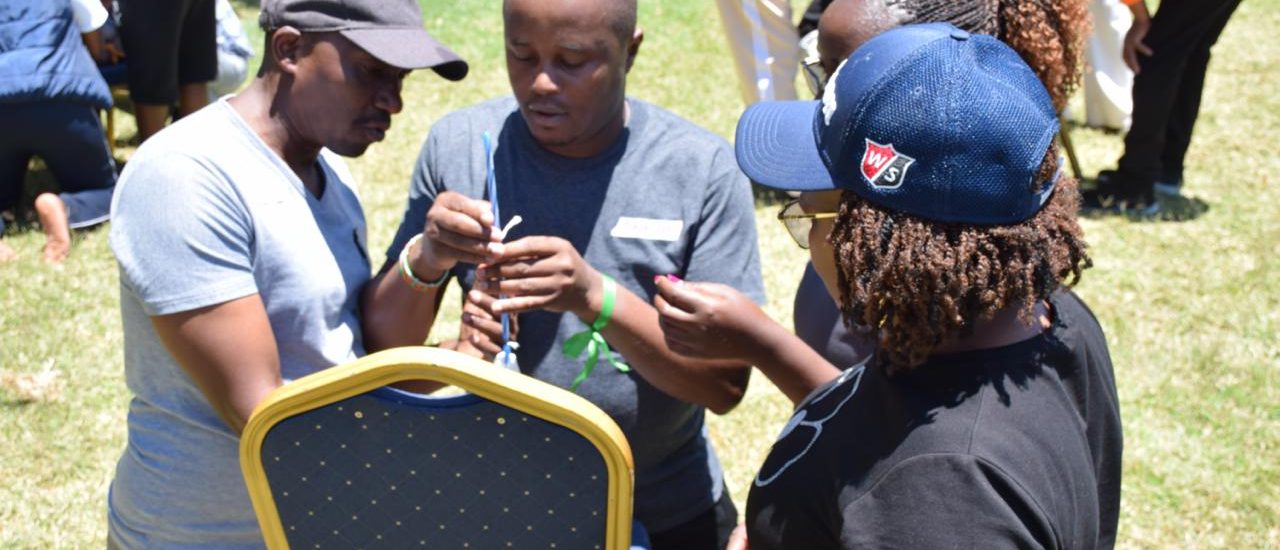
Top 20 Team Building Activities in Kenya: Ideas for Stronger Corporate Teams
The right team building activities can help employees communicate more effectively, solve problems together and build stronger working relationships. For organisations in Kenya, team building also offers an opportunity to bring people together outside their usual work environment and focus on shared goals.
From outdoor adventure challenges and corporate retreats to leadership workshops and creative problem-solving games, there are many ways to design a programme around your team’s needs.
At Brina Solutions, we believe effective team building goes beyond entertainment. Activities should give employees opportunities to practise useful skills, understand different working styles and identify practical ways to improve collaboration at work.
Here are 20 team building activities to consider for your next corporate event in Kenya.
Top 20 Team Building Activities in Kenya
1. Outdoor Adventure Challenges
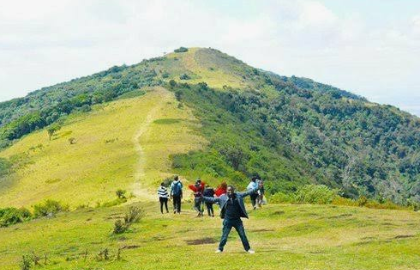
Outdoor challenges encourage employees to coordinate their efforts, communicate clearly and support one another. Activities can include obstacle challenges, group missions and collaborative tasks.
Destinations such as Ngong Hills may suit teams looking for an outdoor experience, provided the selected site and activities meet the group’s needs.
Best for: Teamwork, resilience and communication.
2. Corporate Retreats
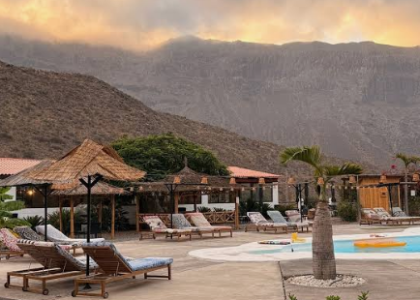
A corporate retreat gives employees an opportunity to step away from routine responsibilities and focus on team relationships, planning and organisational priorities.
Retreats in destinations such as Naivasha can combine facilitated team building with meetings and informal interaction, depending on the venue and programme selected.
Best for: Team alignment, reflection and relationship-building.
3. Amazing Race Team Challenges
An Amazing Race-style challenge requires teams to follow clues, complete tasks and solve problems across an agreed area. Each group must decide how to allocate responsibilities and use its members’ strengths.
The activity can be adapted to a hotel, outdoor venue or suitable urban setting in Nairobi.
Best for: Strategic thinking, coordination and friendly competition.
4. Safari and Nature-Based Team Experiences
A nature-based team experience can give employees a change of scenery and an opportunity to connect outside the workplace. Depending on the destination, organisations may combine suitable group activities with guided nature experiences.
Locations such as the Maasai Mara require careful planning around travel, costs, accommodation and conservation rules. A safari itself should not be treated as a substitute for facilitated teamwork.
Best for: Shared experiences, reflection and relationship-building.
5. Beach Team Building Activities
Beach activities can provide a relaxed environment for teams to participate in group games and collaborative challenges. Options may include beach volleyball, relay challenges and team competitions, depending on the location and safety conditions.
Diani Beach is one destination organisations can explore when planning a coastal corporate event.
Best for: Engagement, collaboration and informal interaction.
6. Leadership Development Workshops
Leadership workshops use practical exercises, discussions and workplace scenarios to help participants explore decision-making, delegation, accountability and communication.
Activities can be designed for managers, supervisors, emerging leaders or mixed teams to help employees understand how leadership responsibilities affect overall performance.
Best for: Leadership development, accountability and decision-making.
7. Strategic Problem-Solving Simulations
These exercises present teams with a realistic or fictional challenge that requires a shared solution. Participants analyse information, compare ideas, allocate resources and agree on a course of action.
For example, a team might be asked to respond to a simulated customer complaint, plan a product launch or resolve a delivery challenge.
Best for: Critical thinking, planning and collaborative decision-making.
8. Communication Challenges
Communication activities test how well team members listen, explain instructions and share information. One participant might describe a simple drawing while another recreates it without seeing the original.
The exercise can reveal how assumptions, unclear instructions and poor listening affect results.
Best for: Active listening, clarity and feedback.
9. Trust-Building Exercises
Trust-building activities encourage colleagues to depend on one another, share responsibilities and work towards a common outcome. Teams can complete cooperative challenges that require planning and mutual support.
Activities should remain inclusive and safe, without pressuring participants into uncomfortable physical tasks.
Best for: Mutual respect, cooperation and reliability.
10. Team Relay Challenges
Relay challenges divide participants into teams that must complete a sequence of tasks. Success depends on coordination, clear communication and each member understanding their role.
The tasks can be physical or non-physical, making it possible to adapt the activity to different abilities and fitness levels.
Best for: Coordination, participation and shared responsibility.
11. Creative Construction Challenges
Give each team a limited selection of materials and ask them to build something that meets a specific requirement, such as a stable paper tower or a bridge that supports a small object.
Participants must plan, test ideas and adjust their approach when something does not work.
Best for: Creativity, innovation and resource management.
12. Problem-Solving Games
Short group puzzles and logic challenges encourage employees to analyse information, share ideas and consider alternative solutions.
The facilitator can observe how participants approach difficult tasks, handle disagreement and decide which ideas deserve further consideration.
Best for: Critical thinking, teamwork and decision-making.
13. Team Quiz Competitions
A team quiz can combine general knowledge, workplace questions and light-hearted challenges. Participants work together to answer questions and draw on the knowledge of different team members.
For workplace-specific quizzes, questions can reinforce company values, customer service principles or product knowledge.
Best for: Engagement, knowledge-sharing and team interaction.
14. Creative Storytelling Challenges
Ask teams to create and present a short story around a theme, workplace scenario or shared objective. Each participant can contribute an idea, character or section of the story.
The activity encourages people to listen, build on others’ contributions and communicate a shared message.
Best for: Creativity, confidence and communication.
15. Team Goal-Setting Exercises
In this activity, teams identify common objectives, discuss obstacles and agree on practical actions. Participants can explore what successful collaboration would look like and how progress should be reviewed.
For greater value, the exercise should lead to specific commitments that can be applied after the event.
Best for: Alignment, accountability and shared planning.
16. Conflict Resolution Role-Play
Participants act out realistic workplace situations involving misunderstandings, competing priorities or differences of opinion. The group then considers how the situation could be handled more constructively.
Examples include disagreements over task allocation, delayed handovers or communication with a dissatisfied customer.
Best for: Conflict management, empathy and professional communication.
17. Employee Recognition Activities
Recognition exercises give team members an opportunity to acknowledge useful contributions, supportive behaviours and strengths they value in colleagues.
A facilitator can guide the process to ensure recognition is respectful, specific and inclusive rather than turning into a popularity contest.
Best for: Appreciation, morale and positive working relationships.
18. Cross-Department Collaboration Challenges
Employees from different departments are grouped together to solve a shared challenge. The task might involve planning a customer experience, improving an internal process or coordinating a fictional product launch.
The activity helps participants understand how decisions made by one department can affect others.
Best for: Interdepartmental communication, coordination and shared ownership.
19. Music and Rhythm Activities
Teams use clapping patterns, simple percussion or coordinated chants to create a shared rhythm. Each group must listen, follow cues and adjust to maintain coordination.
These activities can be adapted for participants who prefer low-impact exercises and can offer an energetic alternative to conventional workshops.
Best for: Listening, synchronisation and group participation.
20. Workplace Action Planning
An action-planning exercise helps participants translate lessons from team building into practical workplace commitments. Groups identify one or more areas for improvement, agree on actions and decide how progress will be reviewed.
For example, a sales team may agree on better information-sharing, while an operations team may focus on clearer handovers.
Best for: Applying lessons, accountability and continuous improvement.
How to Choose the Right Team Building Activities
Not every activity is suitable for every organisation. The best choice depends on what you want the team to learn and how participants will engage with the programme.
Consider these factors before making a decision.
Identify the main objective. Decide whether the priority is communication, leadership, trust, conflict management, employee engagement or cross-departmental coordination.
Understand your team. Consider group size, age range, physical abilities, accessibility needs, job responsibilities and preferred learning styles.
Choose a suitable location. Nairobi, Ngong Hills, Naivasha and coastal destinations offer different possibilities. Compare travel arrangements, facilities, costs and the type of activities the location can support.
Work with a capable facilitator. A facilitator should understand your objectives, adapt activities to the participants and guide useful discussions after the exercises.
Consider your budget. Account for venue hire, transport, meals, facilitation, equipment and any additional charges. Request a clear quotation before confirming arrangements.
Plan for follow-through. Identify the lessons employees should apply at work and agree on how the organisation will review progress. Team building can support improvement, but lasting results also depend on leadership, workplace systems and consistent follow-up.
Why Work with Brina Solutions for Team Building in Kenya?
At Brina Solutions, we help organisations create team building experiences suited to their goals, participants and operating environment.
Our approach focuses on making activities engaging while connecting them to practical workplace themes, including:
- Teamwork and collaboration
- Leadership development
- Communication and trust
- Problem-solving and decision-making
- Employee engagement and wellness
Whether you are organising an event for a small department, a management team or a larger workforce, the programme should reflect your organisation’s needs rather than follow a one-size-fits-all format.
We can help you explore suitable activities, programme approaches and locations based on your objectives and budget.
Plan Your Next Corporate Team Building Event
The most effective team building activities are not necessarily the most expensive or physically demanding. They are the ones that give employees a meaningful opportunity to work together, reflect on their approach and identify ways to improve collaboration.
If you are planning a corporate team building event in Kenya, Brina Solutions can help you explore an approach that fits your team.
Get in touch with Brina Solutions:
- Phone: 0728 624 200
- Website: https://brinasolutions.com/
- Contact page: https://brinasolutions.com/contact-us/
Let’s bring your team together through activities that encourage stronger relationships and practical workplace learning.