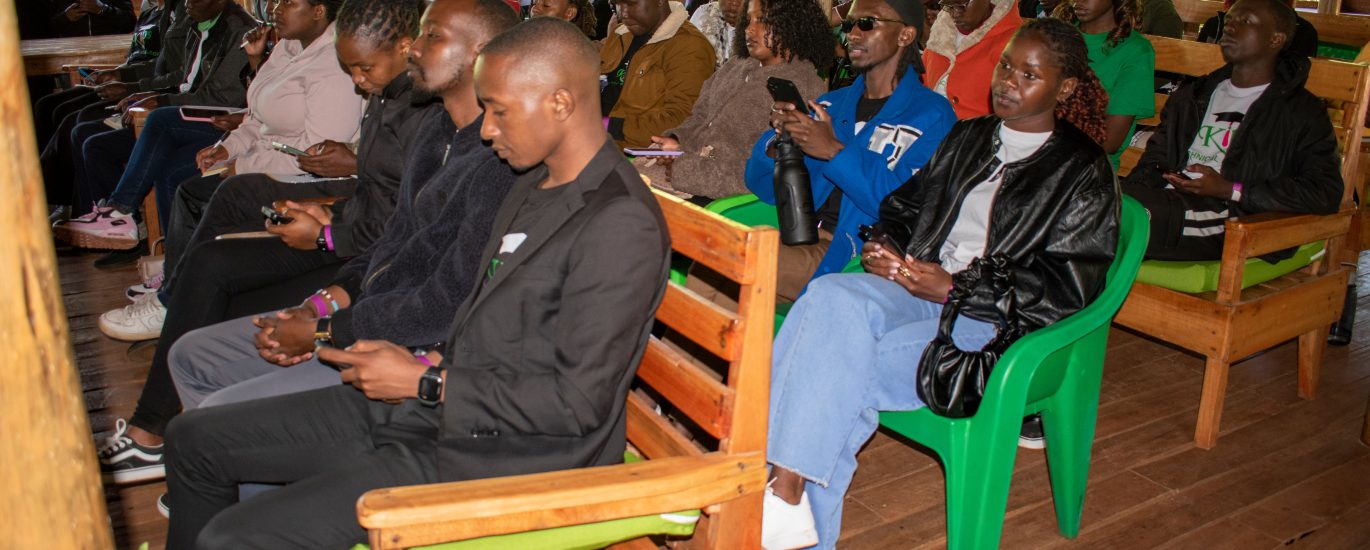
Staff Training and Team Building in Kenya: How to Build a Stronger, More Effective Team
Skilled employees do not automatically make a strong team. Even when a company hires talented people, poor communication, low morale and slow results can affect overall performance. To address these challenges, organizations need to develop both employee skills and workplace relationships. That is where staff training and team building in Kenya come in. Through structured learning and engaging group activities, employees gain the knowledge they need to perform effectively while building trust and cooperation. In this guide, we explore practical training programmes, team-building activities and planning tips to help your organization achieve better results.
Why Staff Training and Team Building Matter
Every organization relies on its employees to deliver results. However, having qualified staff does not always translate into strong performance. Employees may understand their individual responsibilities but struggle to coordinate tasks, communicate with managers or solve problems collectively.
For this reason, staff training and team building play complementary roles. Staff training equips employees with practical knowledge and job-related skills, including customer service, leadership, sales and workplace safety. Meanwhile, team building strengthens trust, collaboration and shared responsibility.
When organizations combine these approaches, employees become better equipped to handle their duties and work effectively with colleagues. As a result, businesses can build stronger working relationships and create a better foundation for performance.
At Brina Solutions, we help organizations strengthen their teams through practical corporate training and engaging team-building experiences tailored to their objectives.
1. Identify Your Employees’ Training Needs
Before investing in a training programme, establish which areas require improvement. Although a training session may be enjoyable, it will deliver limited value if it does not address an actual workplace challenge.
Start by reviewing your organization’s performance and identifying recurring problems. For example, poor customer feedback may indicate a need for customer service training. Similarly, missed sales targets could point to gaps in selling skills, product knowledge or sales management.
Communication problems may require interpersonal skills training, while frequent conflicts between departments could indicate a need for team-building interventions. In some cases, unclear responsibilities may call for leadership development and better internal processes.
To identify these gaps, gather feedback from employees, consult managers and review relevant performance records. By understanding the root causes, you can select a programme that addresses the real problem rather than organizing training simply because it is on the calendar.
2. Choose the Right Staff Training Programme
The most suitable corporate training programme depends on your industry, employees’ responsibilities and business objectives. For instance, a retail company may prioritize customer service and sales, whereas a growing organization may need stronger leadership and management capabilities.
Customer Service Excellence
Customer experience influences retention, referrals and business reputation. Through customer service training, employees learn to handle enquiries, manage complaints, communicate professionally and resolve customer concerns.
Consequently, organizations in retail, hospitality, education, logistics and financial services can use these programmes to strengthen service delivery.
Leadership and Management Development
Effective managers need more than technical expertise. They must also delegate responsibilities, communicate expectations, manage performance and guide teams through change.
Leadership training helps supervisors develop these capabilities. In addition, it encourages accountability, sound decision-making and more effective people management.
Sales and Marketing Training
Sales teams need practical skills to identify customer needs, present solutions, handle objections and close sales. Furthermore, training can improve negotiation, product knowledge, customer relationship management and follow-up practices.
For businesses operating in competitive markets, these capabilities help employees approach sales activities more strategically.
Communication and Interpersonal Skills
Miscommunication often leads to duplicated work, delays and unnecessary conflict. Therefore, communication training helps employees listen actively, give clear instructions, share feedback and resolve misunderstandings professionally.
These skills are particularly important for teams working across departments or reporting to multiple managers.
Workplace Wellness and Professional Development
Employee wellness and healthy workplace relationships also influence team effectiveness. Depending on organizational needs, programmes may include stress management, professional conduct and interpersonal development.
Ultimately, training should reflect the skills employees need to perform their responsibilities and support the organization’s wider objectives.
3. Strengthen Workplace Relationships Through Team Building
While staff training develops individual capabilities, employees must also learn how to apply those skills together. That is why team building in Kenya remains a useful option for organizations seeking stronger collaboration and communication.
Through structured activities, employees can explore leadership, trust, coordination and problem-solving outside their normal work routines. More importantly, each activity should connect to a workplace behaviour rather than serve as entertainment alone.
Communication Challenges
Participants complete tasks that require them to exchange information clearly, listen carefully and follow instructions. As the exercise progresses, misunderstandings may reveal how assumptions and incomplete information affect results.
Afterwards, a facilitator can help participants connect these lessons to everyday workplace communication.
Problem-Solving Challenges
Small groups work together to solve a practical challenge within a set time. To succeed, participants must plan, share ideas, assign responsibilities and make decisions collectively.
As a result, employees learn to appreciate different perspectives instead of relying on one person to solve every problem.
Leadership and Delegation Activities
During these exercises, participants take turns leading a task while others contribute according to their assigned responsibilities. This approach allows teams to examine how leaders communicate expectations, delegate work and respond when plans change.
Consequently, participants gain practical insights into leadership and shared accountability.
Trust and Coordination Exercises
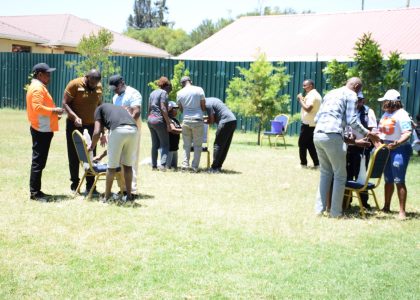
Teams complete activities that require cooperation, mutual support and shared responsibility. Rather than focusing solely on competition, these exercises encourage participants to coordinate their actions and work towards a common goal.
They can be especially useful for newly formed teams, departments experiencing friction or organizations undergoing leadership changes.
Team Games and Creative Challenges
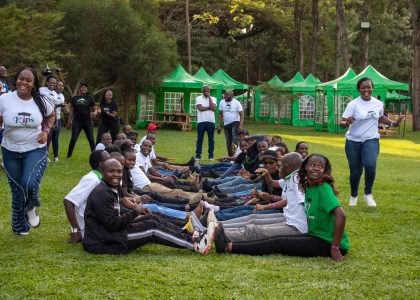
Relay races, rhythm activities, group competitions and creative challenges can make team building engaging and memorable. However, activities should suit participants’ abilities, comfort levels and organizational culture.
At Brina Solutions, we combine enjoyable activities with guided reflection and practical lessons that employees can apply when they return to work.
4. Combine Training and Team Building for Better Results
One common mistake organizations make is treating staff training and team building as unrelated activities. A company may organize technical training without addressing poor teamwork. Conversely, another may arrange an enjoyable team-building day without equipping employees with the skills required to improve performance.
A more effective approach is to combine the two whenever the organization’s needs justify it.
Consider a business experiencing customer complaints, internal communication problems and inconsistent service delivery. A practical programme could include customer service training, communication exercises, team-building activities and a shared action plan.
Following the programme, managers can monitor customer feedback, review team performance and assess progress against agreed targets. This way, employees have an opportunity to apply what they learned instead of treating training as a one-off event.
Nevertheless, a combined programme is not always necessary. Focused training may be sufficient when the challenge involves a specific technical skill. On the other hand, team building may be the better starting point when trust and coordination are the main concerns.
The key is to identify the problem before choosing the intervention.
5. Plan a Successful Team-Building Event in Kenya
Once your objectives are clear, the next step is to organize a programme that suits your team and budget.
Define Your Objectives
First, decide what the organization wants to achieve. Priorities may include improving communication, integrating new employees, strengthening leadership or resolving departmental friction.
With clear objectives, you can select appropriate activities and evaluate whether the event delivered value.
Choose a Suitable Venue
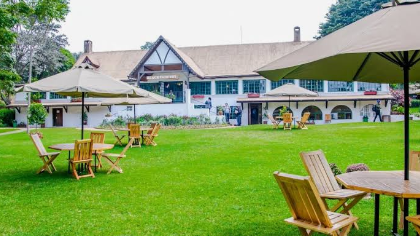
The venue should match your group size, programme format, accessibility needs and budget. For example, a hotel or conference facility may suit a structured corporate session, while an outdoor recreation space may be ideal for active team-building challenges.
When comparing venues, consider transport, meals, weather, accessibility and backup arrangements. This helps you avoid unnecessary disruptions on the day.
Set a Realistic Budget
Your budget should cover more than the venue. Depending on the programme, expenses may include facilitation, transport, meals, accommodation, equipment and activity materials.
Therefore, request a clear cost breakdown before making a decision. Although the cheapest option may appear attractive, it may not deliver the outcomes your team needs.
Select Appropriate Activities
A programme for senior managers may focus on leadership, governance and decision-making. Meanwhile, a sales team may benefit from communication exercises, collaboration challenges and performance-focused activities.
Rather than selecting activities simply because they are popular, ensure they support your objectives and suit the participants.
Work with an Experienced Facilitator
An experienced facilitator helps connect activities to practical workplace lessons. They guide participation, manage group dynamics and lead discussions that encourage employees to reflect on their behaviour.
Without this reflection, even a well-organized event can become little more than a day away from the office.
6. How Much Does Staff Training and Team Building Cost in Kenya?
The cost of staff training and team building in Kenya varies according to participant numbers, programme duration, venue, facilitation requirements and overall complexity.
For example, a basic outdoor session using simple materials may cost less than a residential retreat involving accommodation, meals, transport and multiple facilitators. Similarly, a half-day training session will have different requirements from a multi-day development programme.
Before requesting quotations, establish your participant numbers, objectives, preferred dates, location and budget. Also, clarify whether you need training, team building or a combination of both.
These details help service providers prepare proposals that reflect your requirements. More importantly, they make it easier to compare quotations fairly.
Ultimately, value matters more than price alone. An inexpensive event that fails to address workplace challenges may deliver little lasting benefit. Equally, a costly retreat is not automatically effective. Focus instead on programme relevance, facilitation quality and measurable objectives.
7. Measure the Impact of Training and Team Building
A successful programme should produce more than positive feedback on the day. To establish its value, determine what improvement looks like before the event and assess progress afterwards.
For example, organizations can evaluate communication by checking whether instructions are clearer and misunderstandings have decreased. Similarly, collaboration can be assessed by examining how effectively departments share information and coordinate tasks.
Customer service programmes may be evaluated using customer feedback, response times or satisfaction scores. Meanwhile, leadership development can be assessed through delegation, performance management and accountability.
In addition, gather participant feedback, consult managers and schedule follow-up discussions. Although improvements may not appear immediately, tracking relevant indicators over time helps establish whether employees are applying what they learned.
Remember that workplace performance is influenced by several factors. Therefore, avoid assuming that one training session or team-building event will solve every organizational challenge.
Why Choose Brina Solutions for Staff Training and Team Building in Kenya?
At Brina Solutions, we help organizations develop stronger teams through practical corporate training and engaging team-building programmes.
Our approach begins with understanding your needs. From there, we help structure programmes around workplace challenges, employee development priorities and organizational objectives.
Our services can support organizations seeking to improve teamwork and collaboration, leadership capabilities, communication and trust, customer service, sales performance and employee wellness.
Whether you are integrating new employees, developing managers or improving collaboration across departments, the programme should reflect your people and the results you want to achieve.
We can help you plan a suitable programme, explore venue options and connect team-building activities with practical workplace outcomes.
Build a Stronger Team with Brina Solutions
Your employees do not become an effective team simply because they share an office or possess the right qualifications. Instead, they need the skills, trust, communication and shared direction to work towards common goals.
When designed around real workplace needs, staff training and team building in Kenya can help organizations address skills gaps and strengthen working relationships. However, lasting improvement also requires follow-up, accountability and opportunities to apply new skills.
Start by identifying what your team needs most, choose the right intervention and establish how you will measure progress.
Ready to strengthen your team?
Contact Brina Solutions on 0728 624 200 to discuss corporate training and team-building solutions for your organization.
Visit Brina Solutions to learn more about our services, or contact our team to discuss your requirements.
Invest in your people, strengthen working relationships and build a better foundation for business performance.