
Getting into supermarkets in Kenya is not a sales activity.
It is a go-to-market strategy decision.
Most manufacturers approach retail chains too early, undercapitalized, underprepared, and without a structured market entry plan. The result?
- Rejection
- Unfavorable margin terms
- Delisting after 3–6 months
- Cash flow strain
- Brand damage
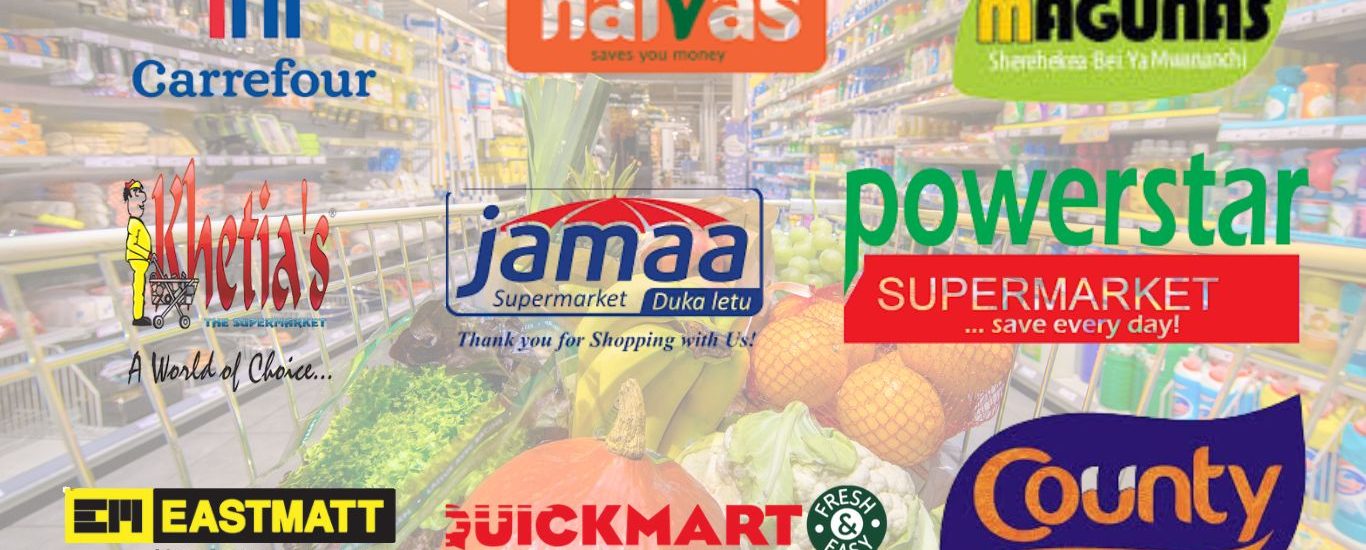
If you are a manufacturer targeting chains like Naivas Supermarket, Quickmart Supermarket, Carrefour Kenya, or Chandarana Foodplus, this pillar guide will walk you through what you must get right before, during, and after retail entry.
This is written specifically for:
- Manufacturers
- FMCG startups
- Food processors
- Cosmetics producers
- Agribusiness value-adders
- Distributors planning retail expansion
And it is structured from a business advisory and go-to-market perspective, not guesswork.
1. The Reality of Retail Entry in Kenya
Retail chains are not marketplaces for experimentation.
They are performance-driven distribution systems.
Shelf space is limited.
Every SKU must justify its existence.
Every product must move quickly.
Supermarkets assess products based on:
- Demand velocity
- Margin contribution
- Supply consistency
- Promotional support
- Risk profile of the supplier
If your product underperforms, it will be delisted.
Before you think about retail placement, you must think about retail sustainability.
2. Why Most Manufacturers Fail at Supermarket Entry
Let’s address the uncomfortable truths.
Manufacturers fail because they:
- Confuse production readiness with market readiness
- Ignore working capital strain
- Underestimate listing fees
- Price incorrectly
- Lack structured distribution planning
- Have weak branding
- Don’t understand retail trade terms
Retail entry is not a distribution shortcut.
It is a capital-intensive expansion move.
Without proper advisory planning, you risk:
- Cash flow disruption
- Excess inventory
- Product returns
- Brand dilution
3. Step 1: Clarify Your Go-To-Market Strategy
Before approaching any supermarket, answer this:
Why retail?
Is it:
- Brand visibility?
- Revenue scale?
- Investor positioning?
- Market expansion?
Retail is just one channel.
Alternative channels include:
- Direct-to-consumer (D2C)
- Online marketplaces
- Distributor networks
- Institutional supply
- Export markets
Your go-to-market strategy should evaluate:
- Target segment
- Channel strategy
- Pricing architecture
- Demand generation plan
- Competitive positioning
If you don’t have a structured plan, you are reacting not scaling.
This is why manufacturers often benefit from professional go-to-market advisory support before entering modern trade.
Explore structured market entry planning through Brina Solutions’ Go-To-Market advisory services:
👉 Retail entry without a GTM strategy is gambling.
4. Step 2: Legal & Regulatory Compliance in Kenya
Supermarkets will not consider you without compliance.
Minimum requirements include:
Business Registration
Registered entity under Kenyan law.
Tax Compliance
Valid PIN and tax compliance certificate from Kenya Revenue Authority.
Product Certifications
Depending on category:
- KEBS Standardization Mark from Kenya Bureau of Standards
- Food safety compliance
- Cosmetic approval from Pharmacy and Poisons Board
- Proper labeling per Kenyan law
Non-compliance = automatic rejection.
But beyond approval, compliance also signals professionalism.
Retailers prefer structured manufacturers, not informal operators.
5. Step 3: Validate Product-Market Fit Before Retail
Retail is not the place to test demand.
You should already have:
- Sales data from smaller outlets
- Direct customer feedback
- Repeat purchase evidence
- Market validation
Questions to ask:
- Is my product solving a clear problem?
- Is demand organic or discount-driven?
- Are customers repurchasing?
If demand is weak outside retail, it will collapse inside retail.
Prove traction first.
6. Step 4: Packaging, Branding & Shelf Psychology
Your product competes visually.
In a supermarket aisle, customers decide within seconds.
Your packaging must communicate:
- Trust
- Quality
- Clarity
- Value proposition
Minimum requirements:
- Clear ingredients
- Expiry date
- Net weight
- Batch number
- Barcode
- Certification marks
But beyond compliance, consider:
- Shelf differentiation
- Color psychology
- Readability from distance
- Premium vs value positioning
If your product looks informal, it will be perceived as risky.
Retail buyers evaluate brand maturity.
7. Step 5: Pricing Strategy & Margin Engineering
This is where many manufacturers collapse.
Supermarkets typically expect margins between 15% and 35%, depending on category.
You must calculate:
Cost of production
- Packaging
- Logistics
- Trade discounts
- Listing fees amortized
- Promotional budgets
- Retail margin
= Final shelf price
If your margin structure is weak, you will:
- Accept unfavorable terms
- Destroy your profitability
- Depend on volume to survive
Volume without margin is dangerous.
Professional pricing strategy is a core component of go-to-market advisory.
8. Step 6: Understanding Retail Procurement in Kenya
Chains like:
- Naivas Supermarket
- Quickmart Supermarket
- Carrefour Kenya
Have centralized procurement teams.
Process typically involves:
- Supplier registration
- Document submission
- Product review
- Pricing negotiation
- Listing agreement
- Pilot branch rollout
Do not approach branch managers directly for listing decisions.
Professional approach increases credibility.
9. Step 7: Negotiating Listing Fees & Trade Terms
Retail terms may include:
- Listing fees
- Marketing contributions
- Promotional discounts
- Rebate structures
- Return policies
- Payment cycles (30–90 days)
Payment delays can strain manufacturers.
You must calculate working capital impact.
Key advisory principle:
Never accept terms that compromise long-term sustainability.
Negotiation leverage increases when:
- You demonstrate demand
- You have multiple distribution channels
- Your brand shows traction
Weak suppliers accept poor deals.
Prepared manufacturers negotiate strategically.
10. Step 8: Supply Chain Readiness & Working Capital
Retail expansion increases pressure on:
- Inventory levels
- Raw material procurement
- Storage capacity
- Transport logistics
- Cash flow
You must plan for:
- Higher production volumes
- Delayed payments
- Possible returns
- Promotional spikes
Without working capital planning, supermarket entry can destabilize your entire operation.
Retail growth must be financed properly.
11. Step 9: Launch Strategy Inside Supermarkets
Shelf placement does not guarantee sales.
You must drive movement through:
- In-store activations
- Sampling campaigns
- Introductory promotions
- Social media campaigns directing traffic
- Influencer partnerships
- Retail display negotiations
Movement matters.
If your product does not rotate, it will be replaced.
Retail survival depends on velocity.
12. Step 10: Performance Tracking & Expansion Strategy
After listing, track:
- Sell-through rate
- Reorder frequency
- Returns
- Stock-out frequency
- Margin stability
If performance is strong:
- Expand to additional branches
- Negotiate better placement
- Introduce product extensions
Scale gradually.
Expansion without data is reckless.
13. When to Seek Business Advisory Support
Manufacturers should consider professional advisory support when:
- Entering modern trade for the first time
- Scaling beyond regional distribution
- Facing margin pressure
- Experiencing delisting risks
- Preparing for investor funding
- Planning structured growth
Supermarket entry is not just a sales function.
It is:
- Strategic planning
- Financial modeling
- Operational alignment
- Brand positioning
- Negotiation strategy
That is why structured go-to-market advisory services matter.
Brina Solutions supports manufacturers with:
- Market entry strategy
- Pricing architecture
- Distribution planning
- Retail negotiation frameworks
- Brand positioning
- Commercial readiness audits
Learn more about our structured approach to retail expansion:
👉 Retail success is engineered not improvised.
14. Final Advisory Perspective: What You Must Understand
Supermarkets do not build brands.
Manufacturers build brands.
Retail amplifies brands that already have traction.
Before chasing shelf space, ensure:
- You have demand
- You have margin strength
- You have compliance
- You have capital stability
- You have operational discipline
Retail entry should be a strategic growth move not a desperation move.
Retail Success Requires Structure
Getting your products into supermarket shelves in Kenya is achievable.
But only when:
- Your go-to-market strategy is clear
- Your pricing is engineered
- Your compliance is complete
- Your branding is strong
- Your supply chain is stable
- Your negotiation strategy is disciplined
If you are serious about scaling into modern retail, approach it strategically.
Not emotionally.
Ready to Position Your Manufacturing Business for Retail Success?
If you are a Kenyan manufacturer planning supermarket entry, structured advisory support can dramatically reduce risk and improve acceptance rates. Brina Solutions offers specialized Go-To-Market advisory services tailored for manufacturers ready to scale. From pricing models to retail negotiation strategy, we help you enter modern trade with confidence and sustainability.
Start building your structured market entry plan today:
👉 Retail shelf space is earned.
Let’s make sure you’re ready for it.