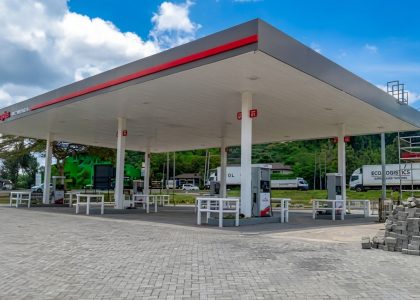

Fuel Station Compliance in Kenya: Understanding Environmental Protection, Workplace Safety and Consumer Protection
Operating a fuel station involves more than making fuel available to motorists. It comes with responsibilities that affect the environment, employees, surrounding communities and customers.
In Kenya, petroleum retail operates within a regulatory environment designed to promote public safety, environmental protection, fair business practices and consumer confidence. These responsibilities are important because fuel is a hazardous product, and poor management can have consequences beyond the business itself.
For anyone interested in understanding the petroleum retail sector, fuel station compliance in Kenya is an important subject. It highlights why regulatory oversight, responsible management and safety-conscious business practices matter.
1. Environmental Protection: Why NEMA Oversight Matters
Environmental protection is a major consideration in petroleum-related activities. Fuel handling and storage can present environmental risks if not properly managed.
The National Environment Management Authority (NEMA) is responsible for coordinating environmental management and enforcing relevant environmental requirements in Kenya.
Environmental oversight is important because petroleum-related activities can affect:
- Soil quality through contamination.
- Groundwater and nearby water sources.
- Air quality through emissions.
- Surrounding communities and ecosystems.
- Waste management and pollution prevention.
Environmental Impact Assessment (EIA) is one of the mechanisms used to evaluate potential environmental effects associated with proposed developments.
The wider lesson is that environmental responsibility should be considered an essential part of business governance, rather than an issue addressed only when problems arise.
2. County Business Regulation: The Importance of Local Compliance
County governments play an important role in regulating businesses within their jurisdictions.
Business regulation helps counties maintain orderly commercial activity, support public health and safety, and ensure businesses operate within applicable local requirements.
For petroleum businesses, this highlights the relationship between national regulation and county-level governance.
A business may operate within a nationally regulated industry while still having responsibilities under the relevant county’s laws and regulations.
This is an important distinction: compliance with one regulatory authority does not automatically mean every other legal obligation has been satisfied.
3. Fire Safety: Protecting Employees, Customers and Surrounding Communities
Fire safety is particularly important in petroleum retail because fuel presents significant fire risks.
A responsible safety culture goes beyond having firefighting equipment. It involves awareness, preparedness, supervision and a commitment to preventing unsafe situations.
Important areas of fire-safety awareness include:
- Understanding fire hazards and workplace risks.
- Maintaining appropriate emergency preparedness arrangements.
- Ensuring employees understand their safety responsibilities.
- Promoting awareness among customers and visitors.
- Supporting effective communication during emergencies.
Fire prevention is not simply a regulatory concern. It is a fundamental responsibility towards employees, customers, neighbouring businesses and the wider community.
4. Workplace Health and Safety: Protecting Employees
Employees in petroleum-related businesses may encounter occupational risks associated with their working environment.
The Directorate of Occupational Safety and Health Services (DOSH), under Kenya’s labour administration framework, plays an important role in promoting workplace health and safety.
Workplace safety is important because employees should not have to compromise their well-being to perform their duties.
A strong workplace safety culture considers:
- Employee awareness of occupational hazards.
- Appropriate safety training and supervision.
- Workplace health and safety responsibilities.
- Incident reporting and organisational learning.
- Management commitment to employee welfare.
For business owners, workplace safety should be viewed as part of operational responsibility and good corporate governance.
5. Weights and Measures: Protecting Consumers Through Accurate Measurement
Consumer confidence is central to the petroleum retail business.
Customers expect to receive the quantity of fuel they pay for. This makes measurement accuracy an important aspect of consumer protection.
Kenya’s weights and measures framework supports fair trade by promoting accuracy in commercial measurements.
Accurate fuel measurement matters because it:
- Protects consumers from unfair transactions.
- Promotes transparency in fuel sales.
- Supports fair competition among businesses.
- Strengthens confidence in retail transactions.
- Encourages accountability in commercial operations.
The principle is straightforward: customers should be able to trust that commercial measurements are accurate.
6. Understanding the Bigger Picture: Compliance Is a Business Responsibility
Environmental protection, county regulation, fire safety, workplace health and safety, and measurement accuracy are connected.
They all contribute to a wider objective: ensuring that businesses operate responsibly and that commercial activities do not unnecessarily expose people or the environment to harm.
It is also important to understand that regulatory responsibilities can change. Businesses should therefore rely on current legislation and guidance from the relevant authorities rather than outdated online checklists or informal advice.
For reliable regulatory information, consult:
- Energy and Petroleum Regulatory Authority (EPRA)
- National Environment Management Authority (NEMA)
- Ministry of Labour and Social Protection
- Kenya Bureau of Standards (KEBS)
- Kenya Revenue Authority (KRA)
Why Responsible Compliance Matters in Kenya’s Petroleum Sector
A business’s reputation is influenced not only by the products it sells but also by how responsibly it operates.
In petroleum retail, environmental responsibility, employee protection, fire safety and consumer protection are fundamental considerations.
Businesses that take compliance seriously demonstrate an understanding that commercial success and public responsibility must go together.
How Brina Solutions Supports Better Business Execution
At Brina Solutions, we believe that sustainable business growth requires more than a good commercial idea. It requires effective management, capable teams, clear processes and responsible execution.
We support organisations through business advisory, corporate training, operational improvement and business development services.
Whether your organisation needs stronger management systems, improved employee awareness, leadership development or practical business advisory support, Brina Solutions can help strengthen the people and processes behind your operations.
Where Strategy Meets Execution.
Visit brinasolutions.com to discuss your business needs.